French Investment in Algeria Faces Challenges Despite Remaining Second Largest
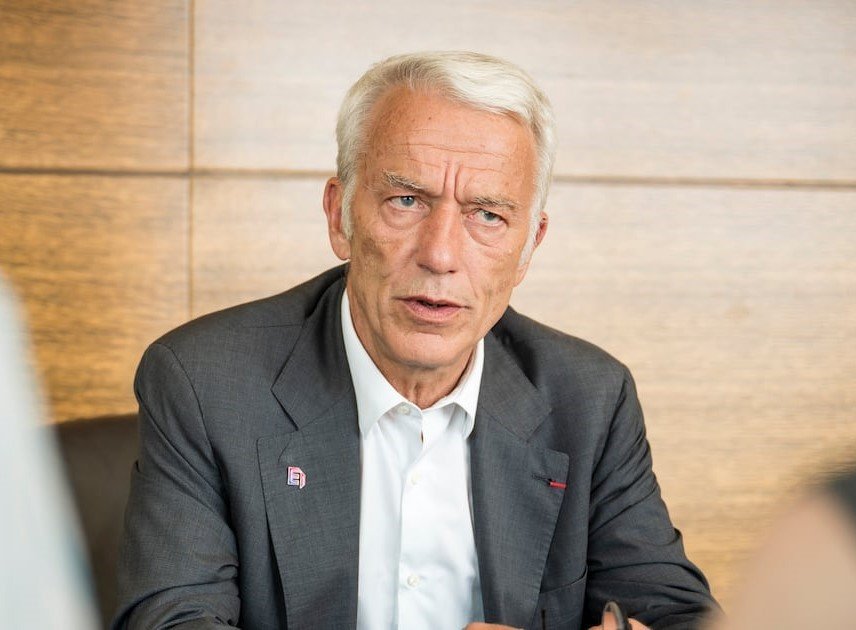
Image: Algerie Eco
Takeaway
The shifting dynamics in Algeria's foreign investment landscape present both challenges and opportunities for international investors. While France maintains a significant presence, increased competition from other nations necessitates a strategic reassessment for French companies. Investors should closely monitor Algeria's evolving energy policies, infrastructure projects, and digital transformation initiatives to identify emerging opportunities and mitigate potential risks.
Patrick Martin, president of Mouvement des Entreprises de France (Medef), stated on May 4, 2026, following a four-day visit to Algeria between late April and early May at the invitation of the Conseil du Renouveau Économique Algérien (CREA), that France remains the second-largest foreign investor in Algeria. However, Martin also noted a decline in the French economic presence in Algeria, suggesting other countries are increasing their investment and market share.
France's position as a key economic partner has seen considerable shifts over the past few years. In 2023, trade between Algeria and France amounted to $10 billion, with France being Algeria's third-largest export market and its second-largest source of imports. This represented a notable increase from 2022, when trade stood at $8.5 billion. However, despite this growth, competition from other nations, particularly China and Italy, has intensified. Italy surpassed France as Algeria's top trading partner in 2024, driven by increased energy cooperation and infrastructure projects, including gas pipelines and renewable energy initiatives.
Algeria's investment landscape is diverse, with key sectors including energy, infrastructure, and manufacturing. The energy sector, dominated by Sonatrach, attracts significant foreign investment, particularly in oil and gas exploration and production. In 2025, Algeria launched a bidding round for oil and gas projects, aiming to attract $10 billion in investment. The country's renewable energy sector is also growing, with plans to develop 15 GW of solar power capacity by 2035. Infrastructure projects, such as the construction of new road networks and a cement plant in Chad, present further opportunities for international firms.
The evolving dynamics in Algeria's investment landscape could impact French companies operating in various sectors. Companies in the automotive supply chain, such as FABCOM, which recently expanded its operations in Oum El Bouaghi, and manufacturers of air filters, stand to benefit from increased domestic production and reduced reliance on imports. However, French firms may face increased competition from other international players, particularly those from China and Italy, who are actively pursuing opportunities in Algeria's energy, infrastructure, and manufacturing sectors.
Looking ahead, Algeria's focus on digital transformation, as evidenced by the National Project to Accelerate Digital Transformation by 2030, will likely create new opportunities for technology companies. The upcoming 2026 bidding round for oil and gas projects and the expansion of renewable energy capacity will be critical catalysts for investment decisions. The Algerian government's efforts to streamline business processes through digital platforms, such as the "Jibayatic" portal for tax services, could improve the investment climate.