African Development Bank Raises Algeria's 2026 Growth Forecast to 4.1%
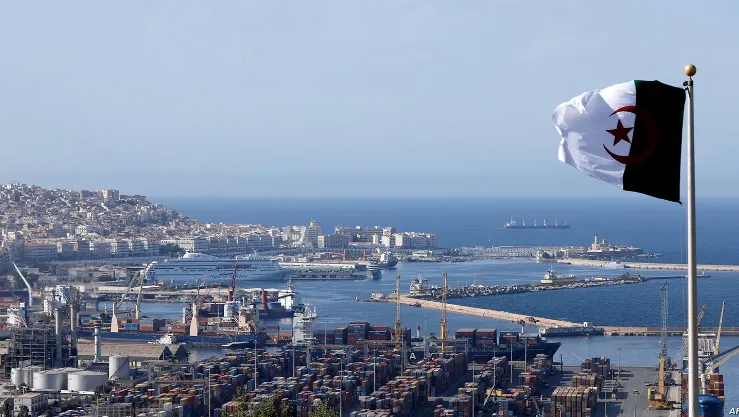
Image: AL24 News
Takeaway
The AfDB's revised growth forecast for Algeria signals a positive outlook for investors, particularly those in non-hydrocarbon sectors. International firms in renewable energy, infrastructure, and technology should reassess their Algerian strategies, as the government's diversification push creates new opportunities. Monitoring the implementation of the 2024 investment law and the progress of key infrastructure projects will be crucial for capitalizing on this growth.
The African Development Bank (AfDB) has revised its projection for Algeria's real GDP growth in 2026 upwards to 4.1%, a notable increase from the previous forecast of 3.4%. The updated forecast was presented in the AfDB's 2026 African Economic Outlook report during the financial institution's annual meetings in Brazzaville, Republic of the Congo. The report anticipates that the Algerian economy will maintain its growth momentum, supported by ongoing economic diversification efforts. The AfDB also projects a 4.2% growth rate for Algeria in 2027.
Algeria's economic growth has been steadily recovering since the sharp contraction of 6% in 2020 due to the COVID-19 pandemic and lower oil prices. In 2021, the economy rebounded with a 3.4% growth, followed by 4.1% in 2022, driven by increased hydrocarbon revenues and a recovery in domestic demand. The government has implemented various measures to stimulate economic diversification, including incentives for investment in renewable energy, agriculture, and manufacturing. In 2024, Algeria launched a new investment law aimed at attracting both domestic and foreign investment by streamlining procedures and offering tax breaks.
Algeria's economic performance is closely linked to its hydrocarbon sector, which accounts for over 90% of export earnings and 30% of GDP. The country holds the 10th-largest proven natural gas reserves in the world and is a major supplier to Europe. Algeria's current oil production capacity is approximately 1.1 million barrels per day. The government aims to increase gas production to 200 billion cubic meters by 2027 through investments in new fields and enhanced recovery techniques. The country's renewable energy program targets 15,000 MW of installed capacity by 2035, with a focus on solar and wind power.
The upward revision of Algeria's growth forecast by the AfDB is expected to boost investor confidence and attract further foreign direct investment (FDI) into the country. Sectors that are likely to benefit include renewable energy, infrastructure, and tourism, as the government prioritizes diversification away from hydrocarbons. The construction sector is also poised for growth, driven by investments in housing, transportation, and industrial projects. Increased economic activity is expected to create more job opportunities for Algerian youth and improve living standards.
Looking ahead, Algeria's economic outlook will depend on several factors, including global oil prices, the pace of economic diversification, and the implementation of structural reforms. The government's ability to attract FDI and improve the business environment will be crucial for sustaining long-term growth. The next key milestone to watch is the release of the 2027 budget in late 2026, which will provide further insights into the government's spending priorities and policy direction. Any significant fluctuations in oil prices or delays in project implementation could pose risks to the growth outlook.