Algeria Advances National AI Strategy, Aims for North African Leadership
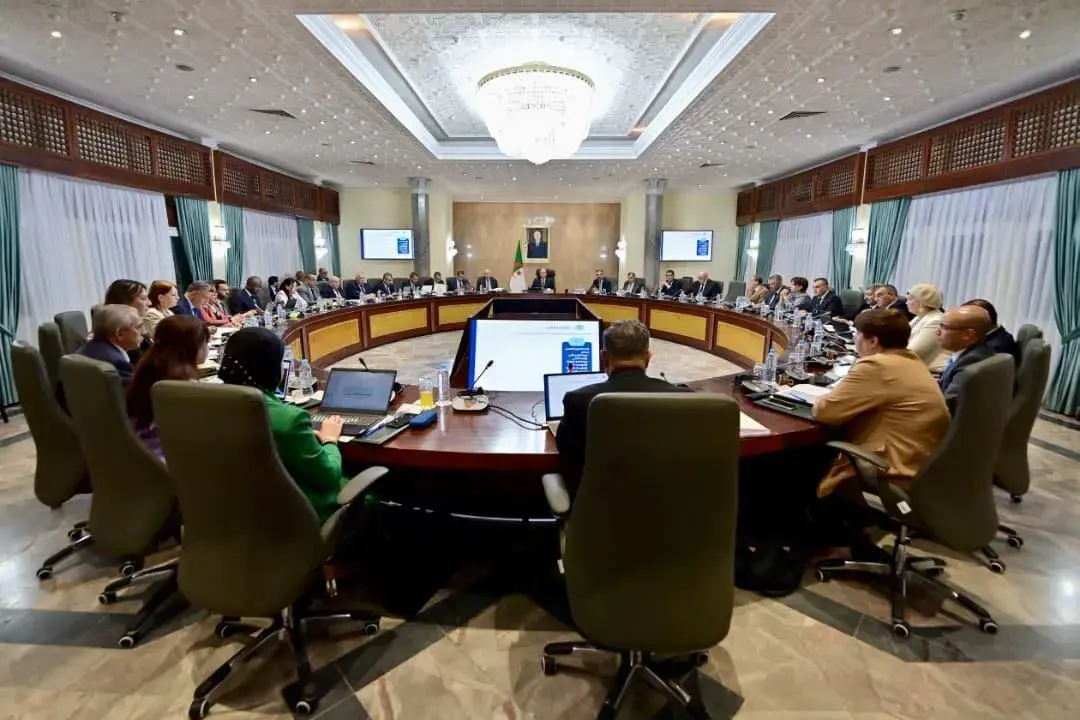
Image: Algerie Eco
Takeaway
Algeria's ambitious AI strategy presents a significant opportunity for international investors, particularly in the tech and education sectors. The projected growth of the AI market to $1.69 billion by 2030, coupled with the government's commitment to training 500,000 ICT specialists, signals a strong demand for AI-related products and services. Investors should monitor the development of Algeria's AI ecosystem and explore partnerships with local startups and research institutions to capitalize on this emerging market.
Algeria's government convened on May 25, 2026, under the leadership of Prime Minister Sifi Ghrieb, to review the national artificial intelligence (AI) strategy and the deployment plan for the national digital services portal, “Dzair digital services”. This initiative, driven by the President, aims to position Algeria as a technological leader in North Africa and the broader Maghreb and Sahel regions. The New Lines Institute, an American strategy and policy think tank, highlighted Algeria's potential to lead in AI, citing its comprehensive, multi-dimensional national strategy.
Algeria's AI strategy, officially adopted by the AI Council on December 8, 2024, is built upon six key pillars. These pillars include strengthening scientific research, fostering an AI-enabling environment, developing local expertise through education and training programs, supporting AI startups, ensuring reliable data centers and digital infrastructure, and defining priority sectors for AI deployment such as agriculture, health, and industry. The strategy complements Algeria's broader National Digital Transformation Agenda, which was initiated in 2019 under President Abdelmadjid Tebboune.
The Algerian AI market is projected to grow from $498.9 million in 2025 to $1.69 billion by 2030, demonstrating a compound annual growth rate of 27.67%. The government aims to train 500,000 ICT specialists by 2030 to address the brain drain crisis and scale up current capacity. This includes investments in AI education infrastructure expansion and professional training programs. Enhanced efficiency in Algeria's oil and gas sector through AI could deliver annual cost reductions worth $200 million to $300 million, while precision agriculture improvements could increase yields by 20%.
International tech companies specializing in AI and e-governance platforms stand to benefit from Algeria's digital transformation push, as do construction firms involved in building data centers and digital infrastructure. The strategy emphasizes AI deployment across Algeria's most economically significant areas, including modernizing agricultural practices through smart farming, improving efficiency in oil and gas operations, and creating AI-based services designed for international export markets. Algeria strategically balances relationships with countries like France, China, Italy, and the U.S. to avoid dependence on any single power, establishing itself as an autonomous actor.
Looking ahead, Algeria's success hinges on widespread access to robust digital infrastructure, including data centers, reliable internet connectivity, and cloud computing systems. The initiative will provide vocational trainees with instruction in cloud computing, cybersecurity, and AI, culminating in a diploma jointly issued by the Ministry and Huawei, beginning in September 2026. The government is also focused on expanding the Personal Data Protection Agency's role in overseeing data protection and enforcing AI regulations, alongside developing a legal framework to govern AI.