Algeria Launches Artificial Intelligence Training Program to Boost Strategic Sectors
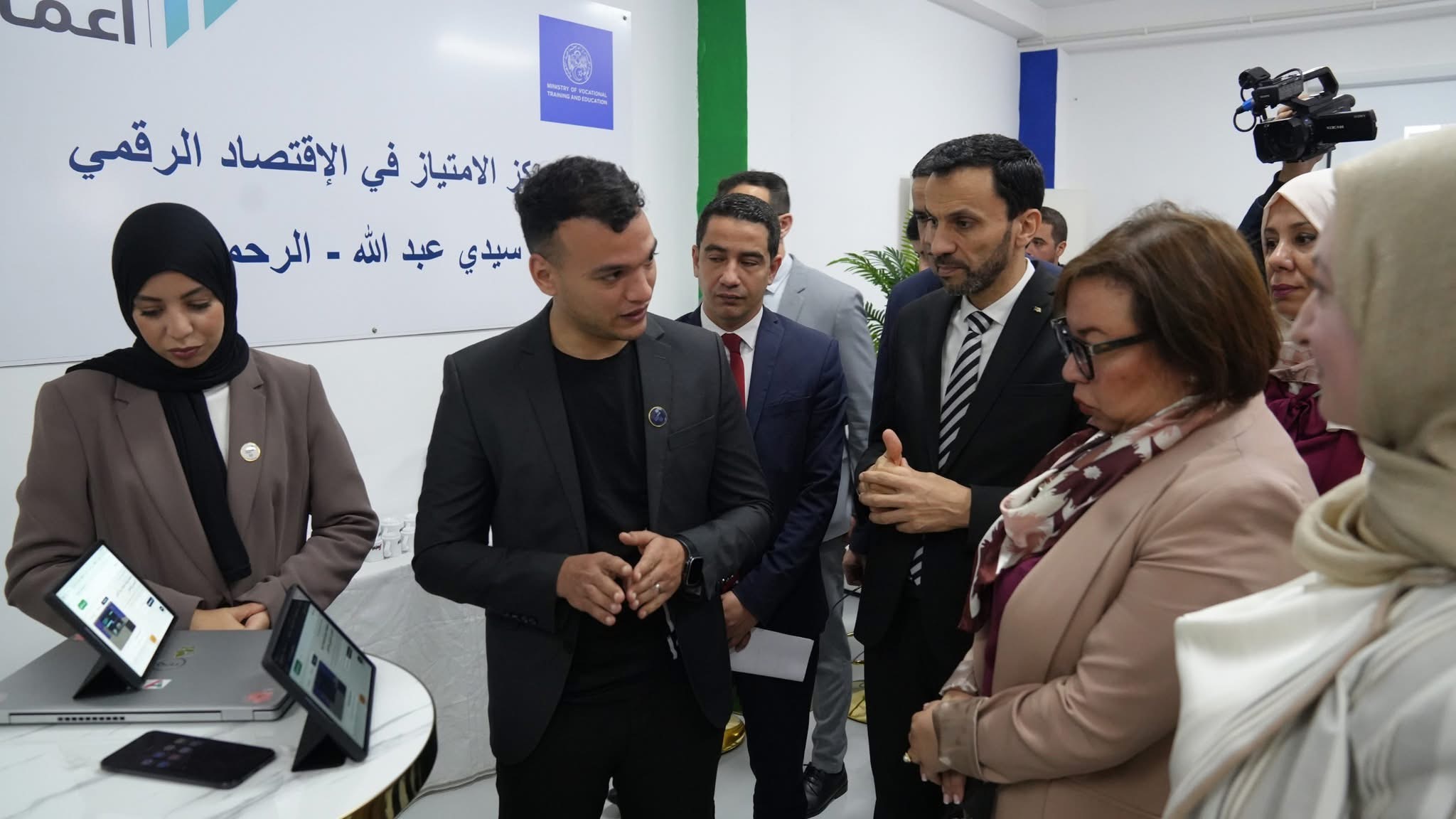
Image: El Mawkie
Takeaway
The launch of Algeria's AI Training Program signals a long-term shift towards a knowledge-based economy, creating opportunities for tech companies and investors. International firms should explore partnerships with Algerian startups and educational institutions to capitalize on the emerging AI talent pool. Monitor announcements from the Ministry of Knowledge Economy for specific investment incentives and partnership opportunities.
In a move to bolster strategic sectors through advanced technology, Algeria officially launched its Artificial Intelligence (AI) Training Program. The launch was overseen by the Minister of Vocational Training and Education, Nassima Arhab, and the Minister of Knowledge Economy, Startups, and Micro-enterprises, Noureddine Ouahdouche. The program aims to create new specializations in complex and high-demand fields for trainees.
The AI Training Program reflects President Abdelmadjid Tebboune's directives to modernize Algeria's economy and educational system. This initiative aligns with broader reforms aimed at transitioning from traditional, rote-learning-based training to a competency-based model focused on systematic approaches. The program is part of Algeria's ongoing efforts to diversify its economy beyond hydrocarbons, following previous investments in renewable energy and digital infrastructure in 2024 and 2025.
The AI Training Program will provide specialized instruction in areas such as machine learning, data science, and AI ethics. The curriculum is designed to equip trainees with practical skills and knowledge applicable to various industries, including energy, healthcare, and finance. International benchmarks suggest that countries investing heavily in AI training programs have seen significant gains in productivity and innovation, with some studies estimating a potential GDP boost of up to 1.5% within five years.
The program is expected to benefit Algerian youth by providing them with valuable skills for the future job market. Local startups and micro-enterprises are also likely to gain from access to a skilled workforce capable of developing and implementing AI-driven solutions. Conversely, companies that are slow to adopt AI technologies may face a competitive disadvantage. International technology firms may also find Algeria an attractive destination for investment, given the availability of trained AI professionals.
In the coming months, the Ministry of Knowledge Economy, Startups, and Micro-enterprises is expected to announce further details regarding the program's implementation, including the selection criteria for trainees and the specific areas of focus. The success of the program will depend on effective collaboration between government, industry, and educational institutions. Investors should monitor the program's progress and assess its impact on Algeria's overall competitiveness.