Algeria Launches 'Supplier Credit' to Boost Grain Production, Reduce Import Reliance
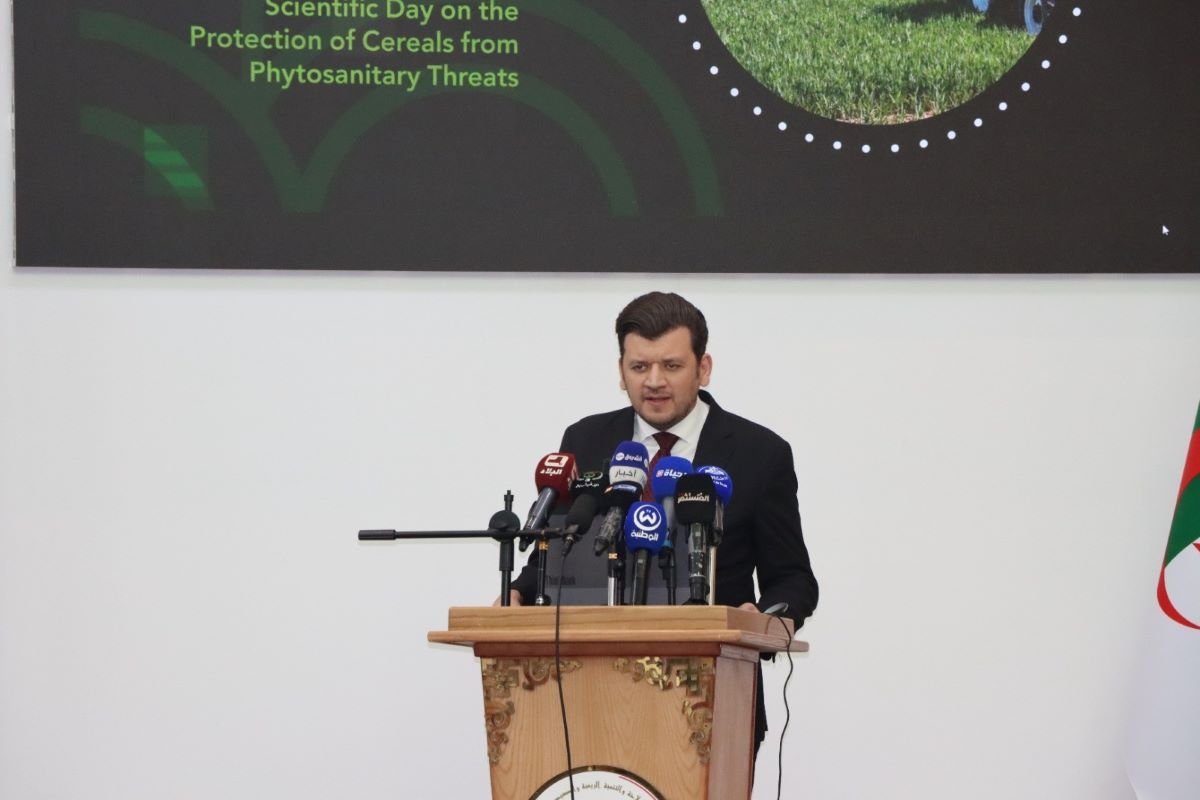
Image: Algerie Eco
Takeaway
The 'supplier credit' program offers a new avenue for international companies specializing in phytosanitary products to enter the Algerian market. Investors should analyze the credit terms, eligibility criteria, and repayment mechanisms to assess the program's attractiveness to farmers and its potential to drive sales. Monitoring Algeria's progress towards its goal of discontinuing durum wheat imports by 2026 will be crucial for grain traders and agricultural commodity investors.
The Algerian government, under the leadership of Minister of Agriculture, Rural Development and Fisheries Yacine El-Mahdi Oualid, launched the “supplier credit” program on Thursday, April 10, 2026, in Algiers. This initiative aims to support farmers, particularly those with low incomes, by enabling them to acquire essential phytosanitary products and agricultural inputs without upfront payments. Farmers will be able to reimburse the costs after selling their harvest, specifically for the 2025/2026 season.
This move aligns with Algeria's broader strategy to bolster domestic grain production and reduce its reliance on food imports. The agricultural sector is a key component of the Algerian economy, contributing approximately 13% to the GDP and employing around 9% of the workforce. In November 2025, the government allocated 764.2 billion dinars (~$5.84 billion) to the agriculture sector under the 2026 Finance Bill, a 4% increase from the previous year, signaling a strong commitment to strengthening domestic production. This budget aims to modernize the sector through improved productivity, irrigation, and rural development. The government is building out its grain reserve system to reach 6.4 million tonnes in national capacity by 2026, including over 350 grain collection centers and modernized port silos.
Despite government support, Algeria's agricultural sector faces several challenges. Average annual cereal yields stand at 1.8 metric tons per hectare, significantly lower than the global average of 3.9 tons. Post-harvest losses, caused by inadequate cold-chain and storage capacity, account for 20-30% of agricultural production annually. Furthermore, modern irrigation covers only 15% of irrigated farmland, exacerbating the impact of chronic drought and climate change. The government aims to increase wheat productivity from 17 to 30 quintals per hectare.
The "supplier credit" program is expected to benefit farmers by easing their financial burden and enabling them to invest in essential inputs, potentially leading to higher yields and improved quality. This initiative could also reduce Algeria's dependence on imports of phytosanitary products, benefiting local suppliers and contributing to a more resilient agricultural supply chain. The initiative is part of a broader agreement between the Ministry and the Association of Banks and Financial Institutions (Abef). Authorities say the goal is to streamline administrative procedures and ensure proper monitoring of projects.
Looking ahead, the success of the "supplier credit" program will depend on effective implementation and monitoring, as well as addressing the structural challenges that continue to constrain Algeria's agricultural potential. The weather in April could still damage crops before harvest. The government is also focusing on setting up laboratories to research and analyze the best ways to apply nitrogen fertilizers to the soil, adopting seeds better suited for areas with water scarcity, and practicing crop rotation to prevent soil depletion. Investors should monitor the program's impact on grain production, import levels, and the financial performance of agricultural input suppliers. The USDA forecasts wheat production to reach approximately 3 million metric tons and barley production to rise to nearly 1.35 million metric tons for the 2025/2026 season.