Algeria's $3.5 Billion Baladna Dairy Farm Project in Adrar Advances with Qatari Partnership
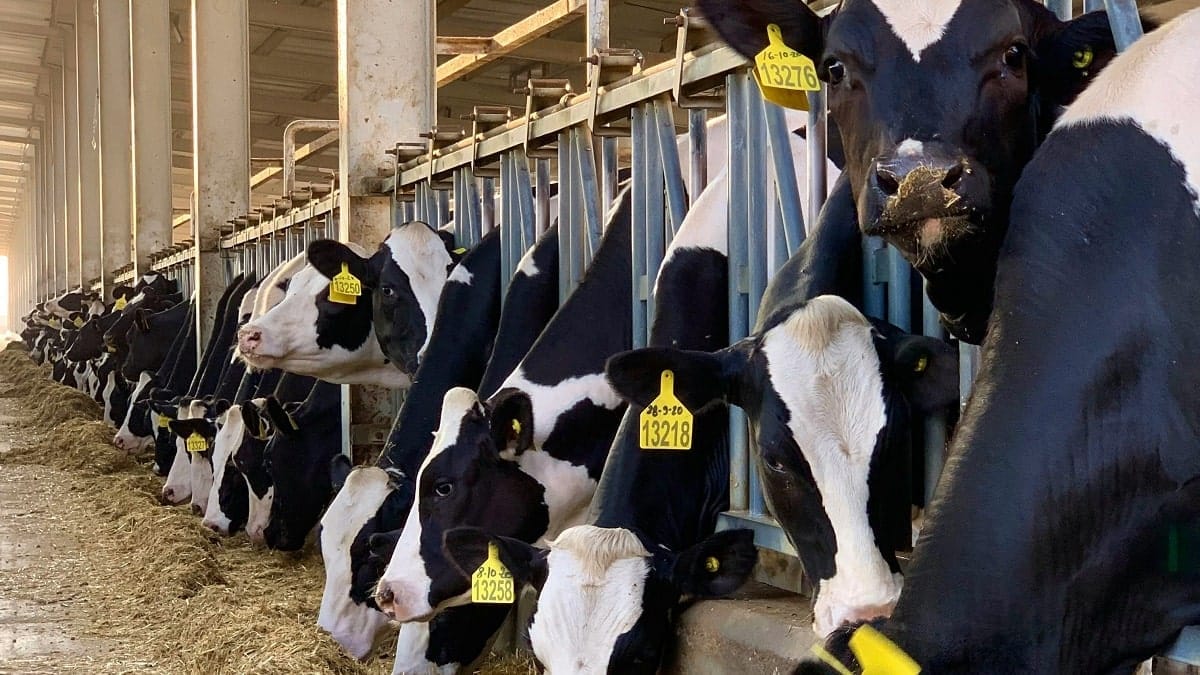
Image: TSA
Takeaway
The Baladna dairy farm project represents a significant foreign direct investment in Algeria's agricultural sector, signaling growing confidence among Gulf investors. International agribusiness firms should monitor the project's progress for potential opportunities in supplying equipment, technology, and expertise. The reduction in powdered milk imports could impact global dairy trade flows, particularly for European and South American exporters.
Algeria's Minister of Agriculture, Yacine Oualid, reviewed the progress of the Baladna dairy farm project in Adrar on April 1, 2026, with Qatari partners, including Moataz Al-Khayat, Chairman of Qatar Investment. The Algerian-Qatari partnership aims to enhance food security and reduce reliance on imported powdered milk through this large-scale agricultural initiative. The total investment for the Baladna project is $3.5 billion, making it one of the largest dairy farms globally. The first phase, valued at $500 million, was awarded to the German company GEA in 2025.
This project is a key component of Algeria's broader strategy to bolster its agricultural sector and achieve greater food self-sufficiency. Algeria has been actively seeking foreign investment and partnerships to diversify its economy away from hydrocarbons. The Baladna project in Adrar aligns with the government's efforts to develop the country's southern regions and create employment opportunities. Similar initiatives include investments in grain production and other agricultural sectors to reduce import dependence.
The Baladna dairy farm is being constructed on a large area in Adrar, although the exact size has not been specified. The project aims to utilize advanced technologies and sustainable practices to maximize milk production efficiency. Comparable international dairy projects often involve similar investments in infrastructure, genetics, and feed production to achieve high levels of output. The project's success will depend on factors such as water availability, climate conditions, and access to skilled labor.
The Baladna project is expected to benefit Algerian consumers through increased access to fresh milk and dairy products. It will also create jobs in the agricultural sector and reduce the country's dependence on imports, potentially saving significant foreign exchange. Qatari investors stand to gain from the long-term returns on their investment and the opportunity to expand their presence in the Algerian market. However, local dairy farmers may face increased competition, requiring them to adapt and improve their own production methods.
Looking ahead, the focus will be on the timely completion of the first phase of the project and the successful integration of advanced technologies. Key milestones to watch include the arrival of the first dairy cows, the commissioning of the processing facilities, and the launch of Baladna-branded products in the Algerian market. The project's long-term success will depend on effective management, favorable government policies, and the ability to overcome logistical and environmental challenges.