Central Bank of Algeria Tightens Import Rules Amid Trade Concerns
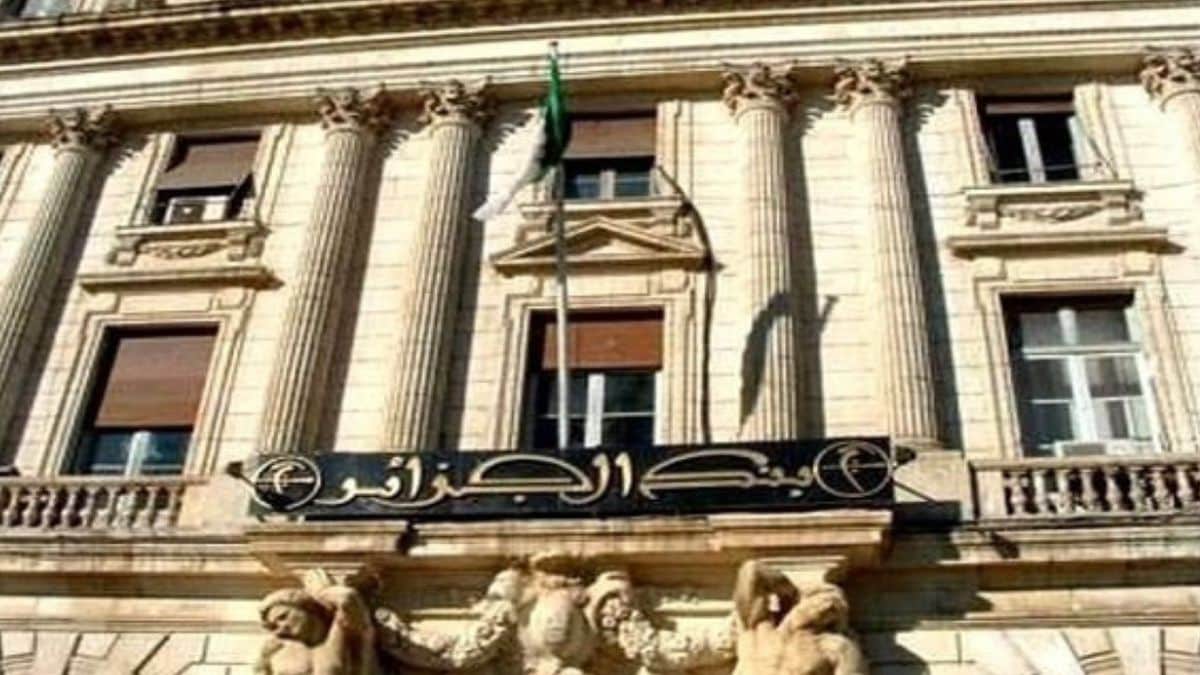
Image: TSA
Takeaway
The Central Bank of Algeria's tightened import regulations signal a more protectionist trade environment. International investors should reassess their supply chain strategies and factor in potential delays and increased compliance costs. Companies in sectors like trade compliance software and consulting could see increased demand as businesses navigate the new landscape.
The Central Bank of Algeria (Banque d'Algérie) has issued new instructions to commercial banks to tighten controls on import operations for goods intended for resale in their current state. Instruction 05-2026, issued by Governor Mohamed Lamine Lebbou, mandates stricter oversight of importers' financial capabilities. Banks must now conduct a preliminary assessment of economic operators' financial capacity and ensure that the value of unsettled import transactions does not exceed their own funds. These measures aim to strengthen control over foreign trade and safeguard importers' financial stability.
Algeria has been actively adjusting its import policies in recent years. In July 2025, the Ministry of Foreign Trade and Export Promotion introduced a mandatory regulation requiring businesses to submit a program of expected imports for the last six months of 2025. This initiative aimed to enhance transparency and improve the efficiency of import management. The Higher Council for Import Regulation convened in January 2026 to review measures aimed at improving the import control system, focusing on better consideration of economic operators' expectations and meeting the real needs of the national economy.
These new regulations add to existing import procedures. As of January 1, 2026, all standalone service imports require prior authorization from the Ministry of Foreign Trade (MoFT). Furthermore, any import invoice for goods related to operational necessities that includes freight charges is also subject to prior authorization. The Mandatory Import Forecast Program (PPI) requires companies to submit an import forecast to the MoFT before undertaking any import transactions. The Ministry of Trade also requires a certificate from the Algerian Agency for Export Promotion (ALGEX) to ensure that the product intended to be imported is not available or produced locally.
The tightened import regulations could disproportionately affect smaller businesses, potentially increasing compliance costs and creating bureaucratic hurdles. International suppliers should closely monitor their Algerian partners' adherence to these regulations to avoid disruptions. Companies specializing in trade compliance software and consulting services may see increased demand. While the measures are intended to reduce reliance on hydrocarbons and promote domestic production, some experts caution that excessive red tape could stifle global competitiveness.
Looking ahead, the effectiveness of these measures will depend on the efficiency of the digital platforms and the responsiveness of the Ministry of Foreign Trade. Companies must download the official PPI form from the Ministry of Foreign Trade's website, complete it meticulously, and obtain endorsement from the relevant supervisory ministry. The Ministry of Foreign Trade typically responds within seven days. Failure to comply with the PPI will result in delays or outright rejections of import activities, adversely affecting the overall supply chain and continuity of operations.