Algeria Suspends Tax Audits to Boost 8% Voluntary Compliance Program
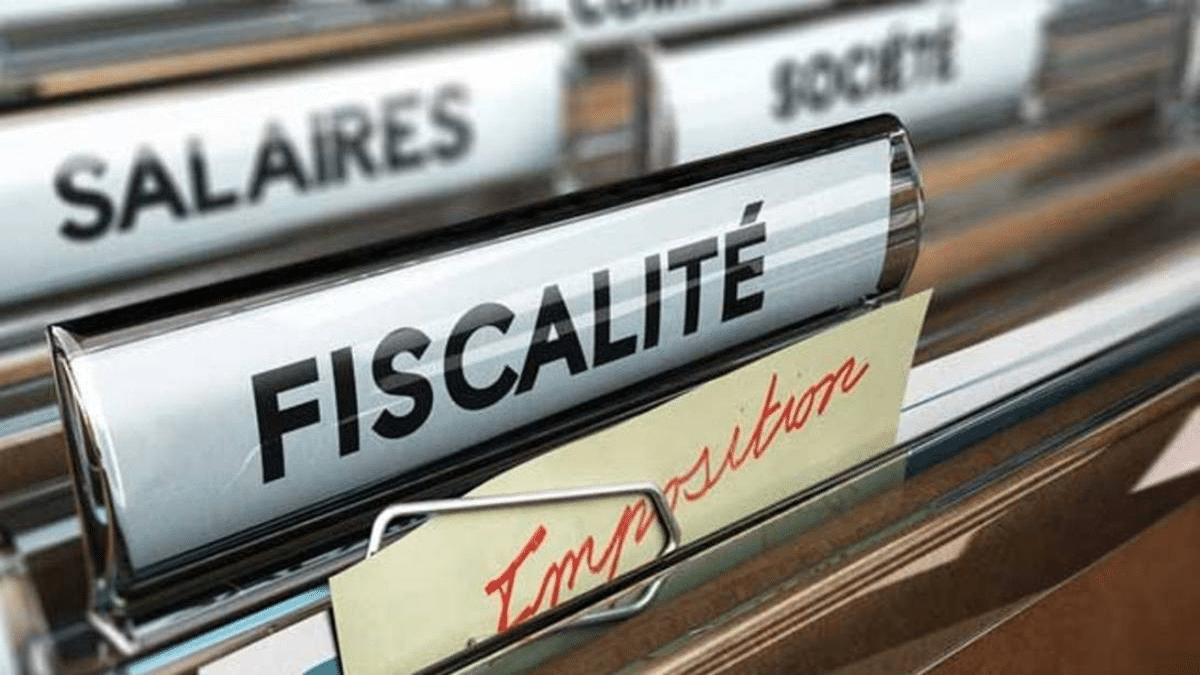
Image: TSA
Takeaway
The suspension of tax audits presents a short-term opportunity for companies operating in Algeria to resolve past tax irregularities at a reduced rate. Investors should assess their potential exposure and consider participating in the voluntary compliance program before the December 31, 2026 deadline to mitigate future risks and potential penalties.
The Algerian Tax Authority (DGI) has suspended all forms of tax audits for the remainder of 2026 to encourage taxpayers to participate in the voluntary tax compliance program outlined in the 2026 Finance Law. The program, which allows individuals and companies to settle outstanding tax debts by paying a one-time 8% levy without penalties, is designed to integrate informal economic activity into the formal sector and broaden the state's tax base. The suspension of audits is effective immediately and extends to all regional tax directorates and large enterprise divisions.
The 2026 Finance Law, signed by President Abdelmadjid Tebboune on December 14, 2025, introduced several key measures impacting both resident and non-resident companies. The voluntary tax regularization system, active until December 31, 2026, is a key component. The law also eliminated the optional real profit regime for non-resident companies without a permanent establishment, meaning they are now taxed exclusively via withholding tax. Additionally, the withholding tax rate on dividends and similar income received by Algerian-resident individuals was reduced from 15% to 10%.
The voluntary compliance program, initially proposed with a 10% tax rate, was later reduced to 8% to incentivize greater participation. This initiative applies to any natural or legal person resident in Algeria who is in an irregular situation with the tax authorities. Taxpayers are required to file a simplified declaration, resulting in a single tax payment without incurring penalties. The program aims to restore tax compliance and support operators in a gradual integration process.
The suspension of tax audits is expected to benefit taxpayers who have previously avoided or underreported their tax obligations, providing them with an opportunity to regularize their status without fear of penalties or prosecution for declared amounts. The Algerian government hopes that this measure will encourage greater participation in the formal economy, leading to increased tax revenues and a more level playing field for businesses. However, companies that have consistently complied with tax regulations may view the suspension as unfair, potentially creating resentment among those who have diligently fulfilled their obligations.
Looking ahead, the DGI will likely monitor the participation rate in the voluntary compliance program and assess its impact on overall tax revenues. The success of the program will depend on the willingness of taxpayers to come forward and declare their previously undeclared income. The DGI is tasked with ensuring the strict application of the measures across its regional and state-level services. Businesses should monitor DGI updates and ensure compliance with new reporting requirements.