Algeria, UK Boost Agriculture and Food Processing Ties at London Forum
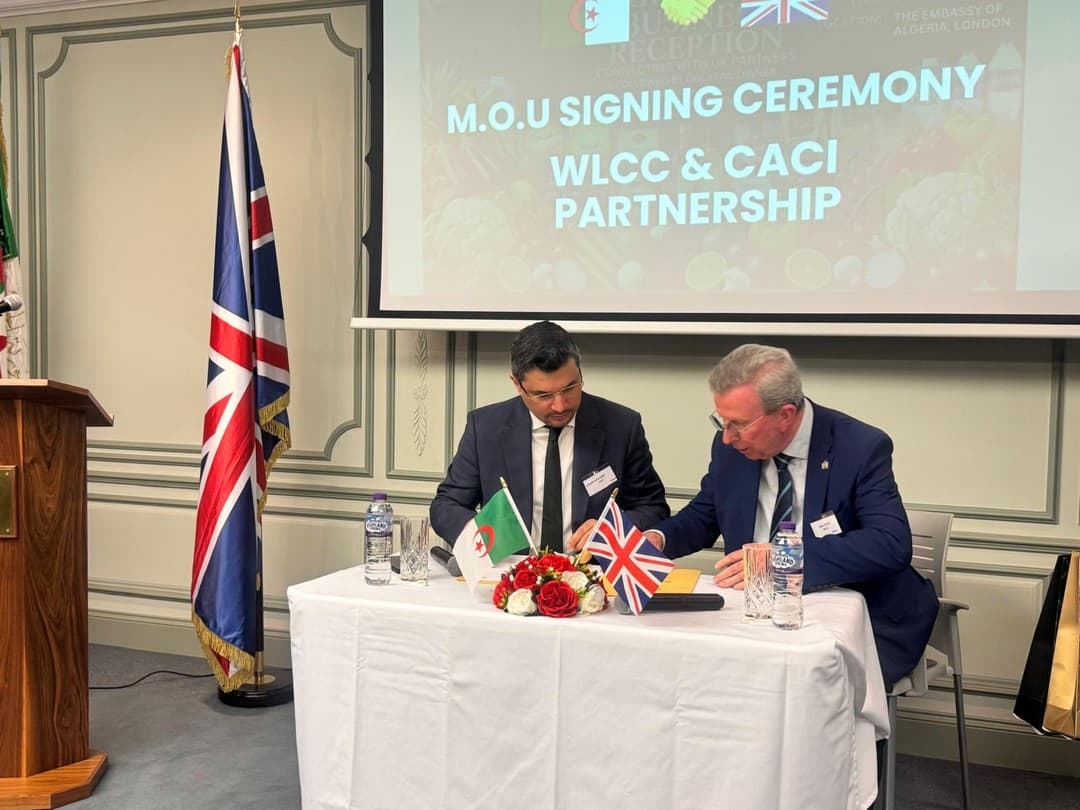
Image: AL24 News
Takeaway
The focus on agriculture and food processing presents opportunities for UK-based agri-tech and food processing firms to enter the Algerian market. Investors should monitor the regulatory environment for food imports and local content requirements, as these will impact profitability. Companies like Tesco and Sainsbury's could explore partnerships with Algerian producers to diversify their supply chains.
Algerian and British economic operators convened at the International Food & Drink Event (IFE) in London from March 30 to April 1, 2026, to explore partnership opportunities in agriculture and food processing. The Algerian Embassy in the United Kingdom organized the meeting, which brought together approximately 20 Algerian economic operators from both the public and private sectors. Around 150 professionals in the agri-food sector attended the event, held under the theme "Agriculture and Food Industry in Algeria: Building Bridges with British Partners".
This meeting underscores Algeria's ongoing efforts to diversify its economy and attract foreign investment, particularly in sectors beyond hydrocarbons. In 2025, Algeria implemented reforms to streamline investment procedures and offer incentives to foreign companies, aiming to boost non-hydrocarbon exports. These efforts align with the government's strategy to reduce reliance on oil and gas revenues, which have historically constituted a significant portion of the country's GDP. The focus on agriculture and food processing reflects a broader ambition to enhance food security and create value-added industries.
The agriculture and food processing sectors in Algeria have significant potential for growth, driven by increasing domestic demand and export opportunities. Algeria has been investing in modernizing its agricultural infrastructure, including irrigation systems and storage facilities. The meeting in London provided a platform for Algerian companies to showcase their products and explore potential collaborations with British counterparts in areas such as food technology, packaging, and distribution. Such collaborations could lead to the adoption of advanced farming techniques and improved processing methods, enhancing the competitiveness of Algerian agricultural products in international markets.
The strengthened partnership between Algeria and the UK in agriculture and food processing is expected to benefit both countries. Algerian companies can gain access to British expertise and technology, while British companies can tap into the growing Algerian market and establish a foothold in North Africa. This collaboration could also lead to increased trade flows between the two countries, with Algeria potentially exporting more processed food products to the UK and importing agricultural equipment and technology. The focus on value-added industries could create new jobs and contribute to economic diversification in Algeria.
Looking ahead, it will be crucial to monitor the implementation of agreements and partnerships that emerge from this meeting. Specific attention should be paid to the development of joint ventures, technology transfer initiatives, and trade agreements between Algerian and British companies. Any policy changes or regulatory hurdles that could impact the flow of investment and trade between the two countries should also be closely monitored. The success of this partnership will depend on the commitment of both governments and the private sector to fostering a conducive environment for collaboration and innovation.