Fiat Plant in Oran Exceeds 90,000 Vehicles Produced, Accelerating Local Auto Manufacturing
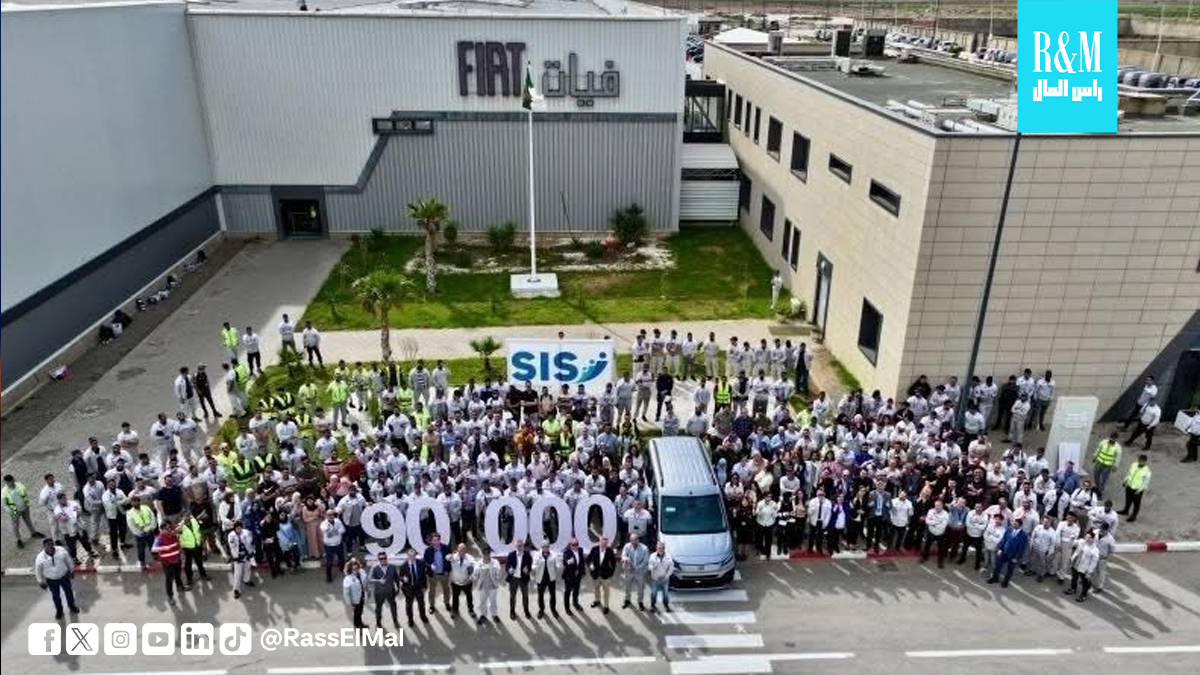
Image: Rass El Mal
Takeaway
The exceeding of 90,000 vehicles produced at the Fiat plant in Oran signals a positive trend for Algeria's automotive sector, attracting further foreign direct investment. Automotive component suppliers should explore opportunities to establish or expand their operations in Algeria to meet the growing demand for locally sourced parts. Investors should monitor the government's policies and incentives related to local content requirements and import regulations.
Stellantis announced that the Fiat plant in Oran has surpassed the production milestone of 90,000 vehicles since the start of its operations, demonstrating the accelerating pace of local car manufacturing in Algeria. Samir Cherfan, the Chief Operating Officer for the Middle East and Africa at Stellantis, confirmed that this figure reflects the strength of the workforce and the project's development. The plant is located in the Tafraoui industrial zone in Oran.
Algeria has been actively promoting the development of its automotive industry in recent years. In March 2023, the Algerian government approved the import of knocked-down (SKD/CKD) kits for vehicle assembly, aiming to boost local production and reduce reliance on imports. Prior to this, in 2014, several international automakers, including Renault, had established assembly plants in Algeria, but these faced challenges related to import restrictions and regulatory changes. The government has set a target to increase the local integration rate in vehicle production to 30% by 2027.
The Fiat plant in Oran currently produces several models, including the Fiat 500, Tipo, and Doblo. The plant has a production capacity of 60,000 vehicles per year, with plans to increase this to 90,000 vehicles in the coming years. The Algerian government aims to increase the overall national vehicle production to 500,000 units annually by 2030, attracting further investment in the automotive sector. The plant utilizes a mix of imported components and locally sourced parts, with a focus on gradually increasing the local content.
The increased production at the Oran plant benefits several stakeholders. Stellantis gains a stronger foothold in the Algerian market, while local suppliers of automotive components see increased demand for their products. Algerian consumers benefit from a greater availability of new vehicles and potentially lower prices due to reduced import costs. The Algerian government benefits from increased tax revenues and job creation in the manufacturing sector. Renault, which also has a presence in Algeria, faces increased competition from Fiat.
Looking ahead, the Fiat plant is expected to continue increasing its production volume and expanding its model range. The Algerian government is expected to announce further incentives and policies to support the growth of the automotive industry. The success of the Fiat plant could encourage other international automakers to invest in local production facilities in Algeria. Potential risks include fluctuations in global automotive demand and changes in government regulations related to imports and local content requirements. The next key milestone will be reaching 100,000 vehicles produced, expected by Q4 2026.