Algeria and Somalia Deepen Energy Ties as Somalia Gears Up for Oil Exploration
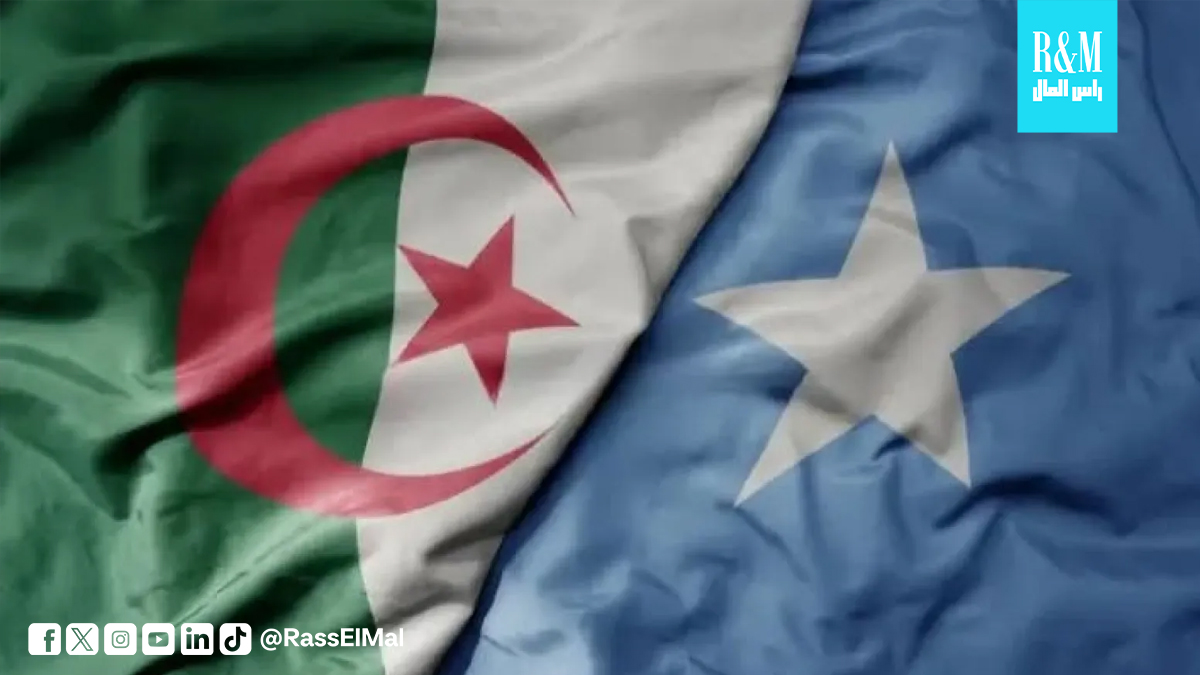
Image: Rass El Mal
Takeaway
Algeria's strategic support for Somalia's nascent energy sector presents opportunities for international service companies specializing in exploration, production, and training. Energy firms should monitor the Algerian Institute of Petroleum's expanded training programs, as these will create a skilled workforce that can support future projects in Somalia. The potential for joint ventures between Algerian and Somali entities, backed by Algerian technical expertise, could provide a competitive advantage for early entrants.
Algeria and Somalia are strengthening their cooperation in the energy sector, as Somalia prepares to launch oil and gas exploration operations in 2026. Mohamed Arkab, Algeria's Minister of State and Minister of Hydrocarbons, met with Ali Yusuf Ali Hosh, Somalia's Minister of Interior, Federal Affairs, and Reconciliation, in Algiers on Tuesday to discuss ways to enhance bilateral partnerships in hydrocarbons and energy training. The discussions centered on exploration, production, refining, and training, with Somalia seeking to leverage Algeria's expertise, particularly that of Sonatrach, and its legal and regulatory frameworks.
Relations between Algeria and Somalia have been strengthening, particularly after the visit of Somalia's President to Algeria in November 2025, which resulted in the signing of several cooperation agreements. During that visit, President Hassan Sheikh Mohamud and Algerian President Abdelmadjid Tebboune witnessed the signing of agreements to deepen cooperation in education, energy, livestock, and agriculture. Algeria offered 500 scholarships to Somali students, especially in agriculture, fisheries, and petroleum studies. The two countries also established a joint government committee, a political consultation mechanism, and enhanced cooperation on diplomatic training.
Somalia is preparing for its first offshore oil drilling campaign in 2026, with Turkish Petroleum leading the operations. Seismic data suggests Somalia's offshore basins could hold between 30 billion and 40 billion barrels of oil and gas equivalent. Turkey's drilling vessel Çagir Bey arrived in Somali waters in April 2026 and is expected to begin drilling at the Curad-1 well. The drilling campaign follows extensive 3D seismic surveys conducted by the Oruç Reis vessel, covering three offshore blocks spanning nearly 5,000 square kilometers.
Algeria has offered to support Somalia with its expertise in the hydrocarbons field, in line with President Abdelmadjid Tebboune's directives to strengthen African and South-South cooperation. Both sides agreed to strengthen partnerships between specialized institutions and expand training programs through the Algerian Institute of Petroleum. In February 2026, Somalia and Algeria signed a bilateral security cooperation agreement in Mogadishu, covering intelligence sharing, counter-terrorism capacity building, and joint training programs for security personnel.
Somalia aims to achieve 50% renewable electricity generation by 2028 and increase national access rates to 80% under the National Transformation Plan 2025–2029. The country is also advancing large-scale renewable and hybrid energy projects. The first output of oil production in Somalia is projected for 2034-2036. Investors should monitor the evolving regulatory environment, upcoming licensing opportunities, and project pipelines in both renewable energy and oil and gas sectors.