Algeria and Angola Sign Bilateral Agreements to Boost Cooperation
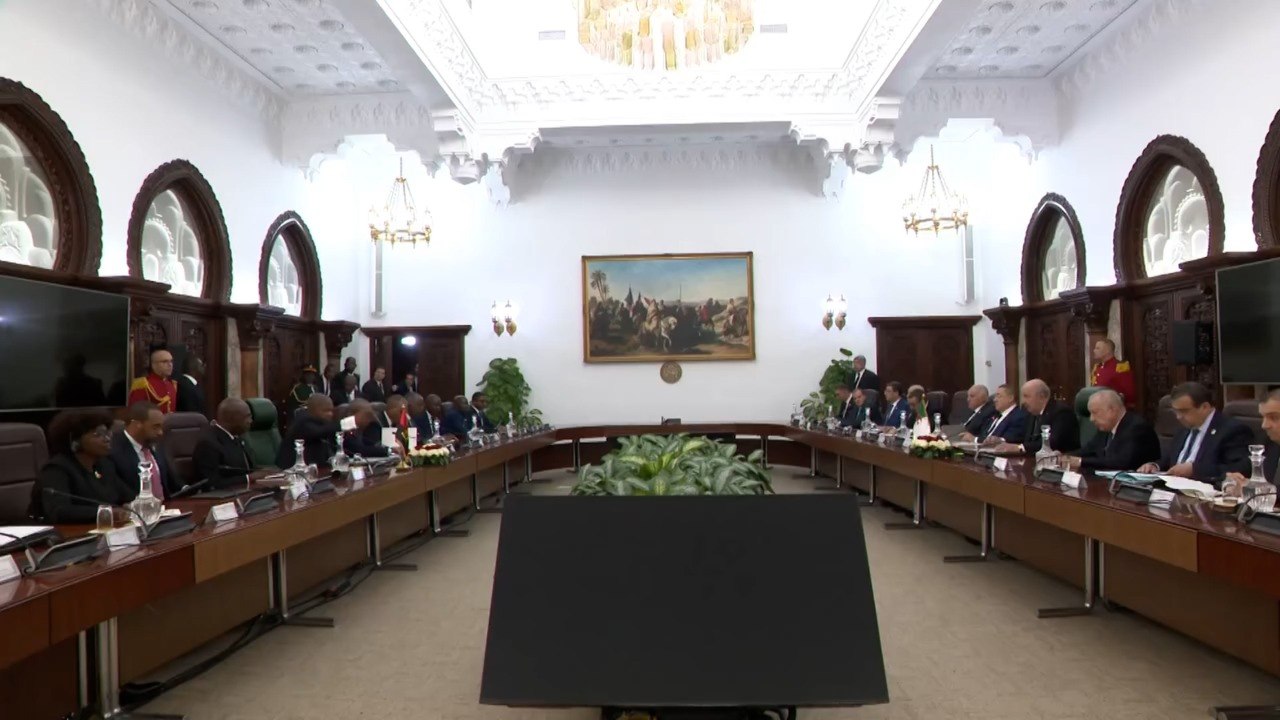
Image: AL24 News
Takeaway
The agreements signed between Algeria and Angola signal a growing trend of intra-African cooperation, presenting opportunities for businesses seeking to expand into new markets. Energy companies and infrastructure developers should closely monitor the evolving partnership between these two key African economies. The focus on energy, hydrocarbons, higher education, technical training, and political-diplomatic coordination sectors could lead to lucrative contracts and strategic alliances.
Algerian President Abdelmadjid Tebboune and Angolan President João Lourenço oversaw the signing of several agreements and memoranda of understanding on May 11, 2026, covering various fields of cooperation between the two countries. The signing ceremony followed talks between the two presidents at the Presidential Palace in Algiers, marking the commencement of Lourenço's state visit to Algeria. The agreements encompass cooperation in vocational training, water resources, and postal and telecommunications sectors.
Diplomatic relations between Algeria and Angola were established in 1976, with both nations demonstrating mutual support during Angola's struggle for independence. In April 2025, Algeria and Angola signed a Memorandum of Understanding to create a Political Consultation Mechanism, intensifying political consultations and bilateral meetings. In June 2025, Algeria and Angola announced stronger energy sector cooperation in Luanda, agreeing to develop a strategic alliance focusing on expertise sharing, technical coordination, training, and joint project assessments in oil, gas, and mining. In August 2025, the Algerian ambassador to Angola, Mounir Bourouba, announced the creation of a Business Council composed of the Angola-Algeria Chambers of Commerce and Industry to boost economic relations, with negotiations underway for agreements in agriculture, energy, tourism, transportation, and training.
Angola and Algeria share strategic interests in the global energy field, with both countries being among the main African oil producers. Algeria is actively participating in multilateral platforms like the Gas Exporting Countries Forum (GECF) and highlights its technical expertise in refining, transport, and gas production. Angola withdrew from the Organization of the Petroleum Exporting Countries (OPEC) in January 2024 due to disagreements over production quotas and has since been diversifying its partnerships to support new offshore projects.
The deepening cooperation between Algeria and Angola is expected to benefit companies involved in energy, infrastructure, and training sectors. The creation of a Luanda-Algiers air route is also under consideration to stimulate business. The Angolan ambassador to Algiers, Toko Diakenga Serão, stated that Angola and Algeria share multiple areas of strategic interest, but historical factors have prevented a greater deepening of economic cooperation over the years.
President Lourenço's visit to Algeria, scheduled until Wednesday, includes addressing members of both chambers of the Algerian Parliament and a visit to a seawater desalination plant. This visit is considered relevant for Angola, given its extensive coastline and challenges related to water supply. The agreements signed are expected to pave the way for increased trade and investment flows between the two countries, with potential for further collaboration in renewable energy and infrastructure projects. Investors should monitor the implementation of these agreements and identify opportunities for participation in joint ventures and technology transfer initiatives.