Algeria and Chad Partner on 40 MW Power Plant, Trans-Saharan Highway
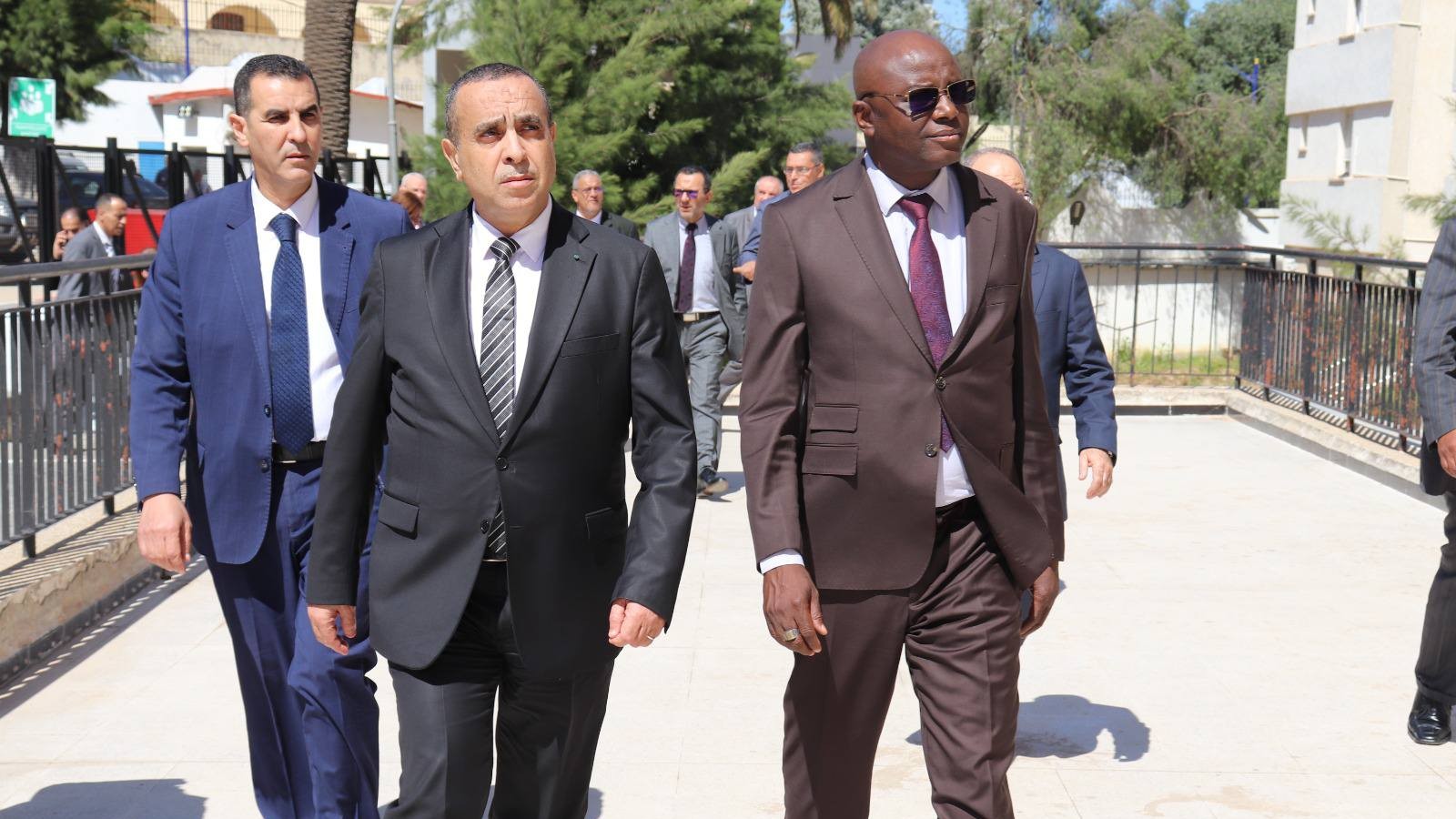
Image: Echorouk
Takeaway
The Algeria-Chad energy and infrastructure partnership signals a broader push for intra-African trade and investment, creating opportunities for firms involved in construction, energy, and logistics. Investors should monitor the African Energy Bank's project pipeline and the progress of the Trans-Saharan Highway to identify potential entry points. Companies with experience in challenging environments and strong government relationships will be best positioned to capitalize on these opportunities.
Algerian Minister of Energy and Renewable Energy, Mourad Adjal, met with Chadian Minister of Water and Energy, Bassali Kanabi Marcelin, to strengthen bilateral cooperation in the energy sector, specifically for the construction of a 40 MW power plant in Chad. The meeting included executives from the Chadian electricity company, Tchad Elec. Separately, Algerian Minister of Public Works and Basic Infrastructure, Abdelkader Djelloui, met with several Chadian government members to advance the Trans-Saharan Highway project during a working visit to Chad. These meetings took place on Wednesday, May 13, 2026.
Algeria has been actively pursuing energy cooperation with other African nations. In April 2026, Algeria and Somalia deepened energy ties as Somalia prepared for oil exploration, with Algeria offering strategic support. In 2023, Algeria's Sonatrach signed a memorandum of understanding with Nigeria's NNPC to advance the Trans-Saharan Gas Pipeline (TSGP) project, a long-dormant initiative, aiming to transport natural gas to Europe via Niger. The TSGP, first proposed in the 1970s, has faced numerous delays due to security concerns and funding challenges, but has seen renewed interest amid Europe's efforts to diversify its gas supplies.
The planned 40 MW power plant will likely utilize gas turbines or reciprocating engines, given Algeria's expertise in natural gas infrastructure and Chad's limited renewable energy capacity. A similar project in Mauritania, the Nouakchott Hybrid Power Plant, combines solar PV with diesel generators to provide a reliable power supply. The Trans-Saharan Highway, once completed, will span approximately 4,500 kilometers, linking Algiers to Lagos, Nigeria, and passing through Niger, Chad, and Tunisia. The highway aims to facilitate trade and economic integration across the Sahara, reducing transportation costs and travel times.
Construction firms like Cosider, already involved in infrastructure projects in Algeria, stand to benefit from the Trans-Saharan Highway project, potentially securing contracts for road construction and maintenance. The energy partnership could lead to increased exports of Algerian natural gas to Chad, boosting Sonatrach's revenues. Chadian businesses will gain access to more reliable electricity, fostering industrial development and improving living standards. European companies specializing in power generation equipment and engineering services could also secure contracts related to the 40 MW power plant.
The next steps include finalizing the financing arrangements for the 40 MW power plant and conducting detailed feasibility studies for the remaining sections of the Trans-Saharan Highway. The African Energy Bank, nearing launch with $5 billion in initial capital, could play a crucial role in funding these projects, reducing reliance on external financing. Key risks include political instability in the region, logistical challenges in transporting equipment and materials across the Sahara, and potential delays in securing necessary permits and approvals.