Algeria and Egypt Deepen Energy Cooperation with New Agreements
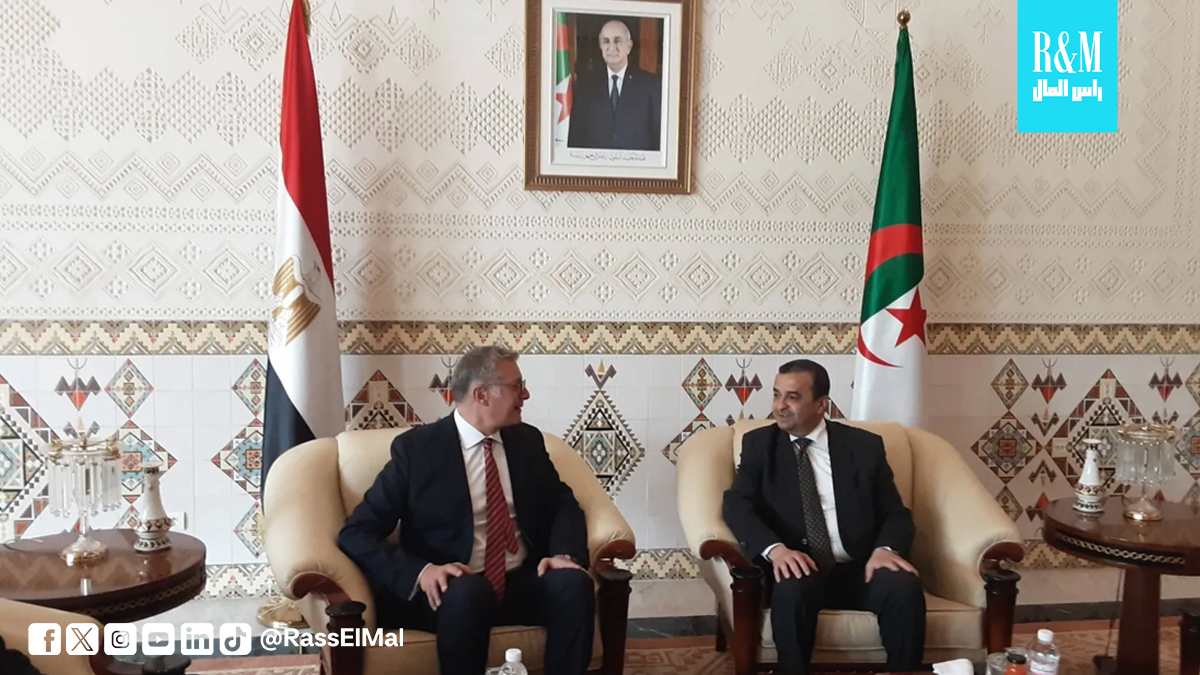
Image: Rass El Mal
Takeaway
The deepening energy ties between Algeria and Egypt signal a strategic alignment in North Africa's energy landscape. International investors should monitor potential joint ventures and infrastructure projects arising from this cooperation, particularly in renewable energy and electricity grid interconnections. Companies specializing in energy transition technologies and grid modernization could find significant opportunities in both markets.
Algeria and Egypt are strengthening their energy partnership, as evidenced by a recent high-level visit from Egyptian Minister of Petroleum and Mineral Resources, Karim Ibrahim Ali Badawi, to Algeria on Tuesday, May 5, 2026. Invited by Algerian Minister of State and Minister of hydrocarbons, Mohamed Arkab, Badawi led a delegation of senior energy sector officials to Algiers to sign new agreements aimed at boosting bilateral cooperation in hydrocarbons and expanding partnership opportunities.
Algeria and Egypt have been steadily increasing cooperation across various sectors. On November 26, 2025, the two countries signed 18 agreements, memorandums, and cooperation programs at the end of the ninth session of the Algerian-Egyptian High Joint Committee in Cairo. These agreements encompassed interior affairs, finance, energy, industry, trade, housing, higher education, scientific research, vocational training, youth, sports, culture, and social solidarity. Bilateral trade between Algeria and Egypt exceeded $1 billion in 2024, marking an 18% increase from $872 million in 2023, with both nations aiming to elevate this figure to $5 billion. Egyptian investments in Algeria currently surpass $3 billion.
Both Algeria and Egypt are significant energy producers in Africa. Algeria is the second-largest total liquid fuels producer and the largest natural gas producer on the continent. In 2024, Algeria's total primary consumption was 60 Mtoe, with gas accounting for 70%. Electricity generation in Algeria is almost entirely gas-based. Egypt's energy supply relies heavily on oil and gas (89% in 2024), with gas dominating electricity generation at 81%. Egypt's electricity demand has more than doubled over the past two decades, primarily met by natural gas, which made up 84% of Egypt's electricity mix in 2023.
The enhanced energy cooperation is expected to benefit both countries by fostering knowledge exchange, developing joint programs, and creating mutually beneficial projects in promising sectors like green hydrogen and energy efficiency. Furthermore, discussions are underway to develop electricity interconnection cooperation between Algeria and Egypt, potentially involving Tunisia and Libya, to enhance energy security in the Arab and African regions and optimize investment in electrical infrastructure. This collaboration aligns with Algeria's broader strategy to position itself as a clean energy and supply chain hub for the Euro-Mediterranean region.
Looking ahead, the comprehensive cooperation agreement in energy transition and renewable energy is expected to facilitate the exchange of experiences, consultations, and experts between Algeria and Egypt. Algeria aims to reduce hydrocarbon dependence by 2030, targeting 16 GW of renewables and diversifying exports. Egypt has revised its targets upward, now aiming to generate 42% of electricity from renewable sources by 2030 and over 60% by 2040, leveraging wind, hydropower, photovoltaic solar, and emerging technologies such as green hydrogen.