Algeria and Tunisia Consider Joint 1,400 MW Power Plant Project
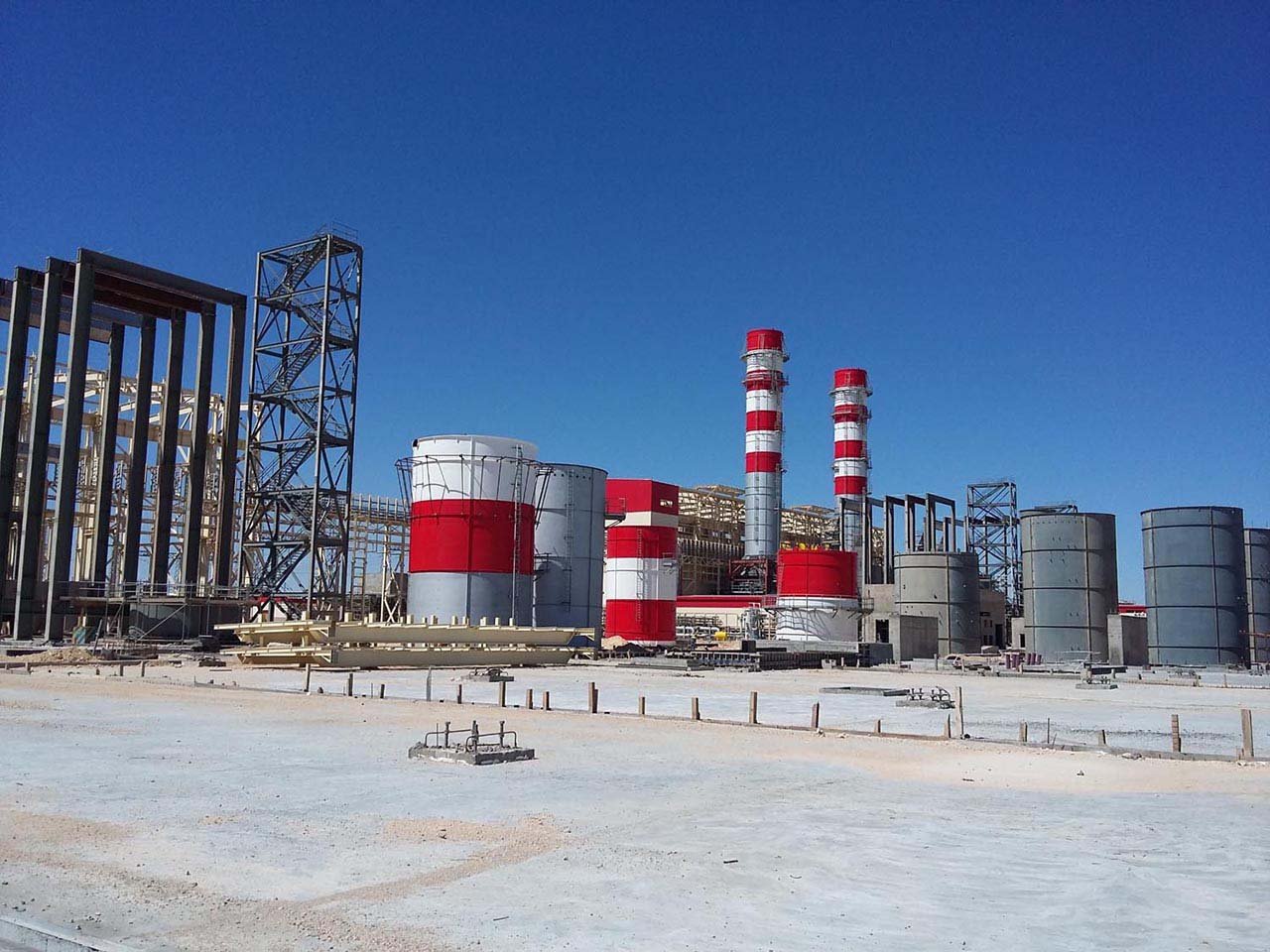
Image: Algerie Eco
Takeaway
The potential 1,400 MW power plant in Tunisia represents a significant opportunity for international energy companies looking to expand their presence in North Africa. Investors should monitor the progress of the feasibility study and potential tenders for construction and equipment supply contracts. Companies with expertise in CCGT technology and project financing stand to benefit the most from this development.
Algerian Minister of Energy and Renewable Energies, Mourad Adjal, met with a high-level delegation from the Tunisian Electricity and Gas Company (STEG) in Algiers on Sunday, May 23, 2026, to explore ways to strengthen bilateral cooperation in the energy sector. Discussions centered on a potential project to construct a 1,400 MW power plant in Tunisia, aiming to enhance Tunisia's electricity supply. The meeting underscores Algeria's commitment to supporting Tunisia's energy needs and solidifying its role as a regional energy partner.
Algeria has consistently supported Tunisia's energy sector in recent years. In the summer of 2026, Algeria assured Tunisia of continued electricity supply, demonstrating its commitment to regional energy stability. This assurance built upon previous collaborations, including Algeria's ongoing electricity exports to Tunisia, which have helped to stabilize the Tunisian grid during peak demand periods. These efforts are part of a broader strategy to foster stronger economic and political ties between the two nations, leveraging Algeria's energy resources to support its neighbor's development.
The proposed 1,400 MW power plant could utilize combined-cycle gas turbine (CCGT) technology, offering high efficiency and relatively lower emissions compared to traditional coal-fired plants. A plant of this size could significantly boost Tunisia's installed electricity capacity, which stood at approximately 5.9 GW in 2023. For comparison, similar projects in the region, such as the planned 2,000 MW Hassyan power plant in Dubai, represent substantial investments in energy infrastructure, typically costing between $1.5 billion to $2.5 billion depending on the technology and financing arrangements.
The construction of a 1,400 MW power plant in Tunisia would benefit several key players. STEG would gain a significant boost to its generation capacity, reducing its reliance on imports and enhancing energy security. Algerian construction and engineering firms, such as Sonelgaz, could secure lucrative contracts for the plant's construction. International equipment suppliers, including Siemens, GE, and Mitsubishi Power, would compete to provide turbines and other critical components. The Tunisian industrial sector would benefit from a more reliable and affordable electricity supply, enhancing its competitiveness.
The feasibility study for the 1,400 MW power plant is expected to be completed by the end of 2026, with a decision on project approval anticipated in early 2027. Key risks include securing financing for the project, navigating regulatory approvals in both countries, and managing potential environmental concerns. A successful project launch could pave the way for further energy cooperation initiatives between Algeria and Tunisia, including joint ventures in renewable energy and cross-border electricity transmission projects.