Algeria and Niger Deepen Energy Cooperation with Expanded Partnership
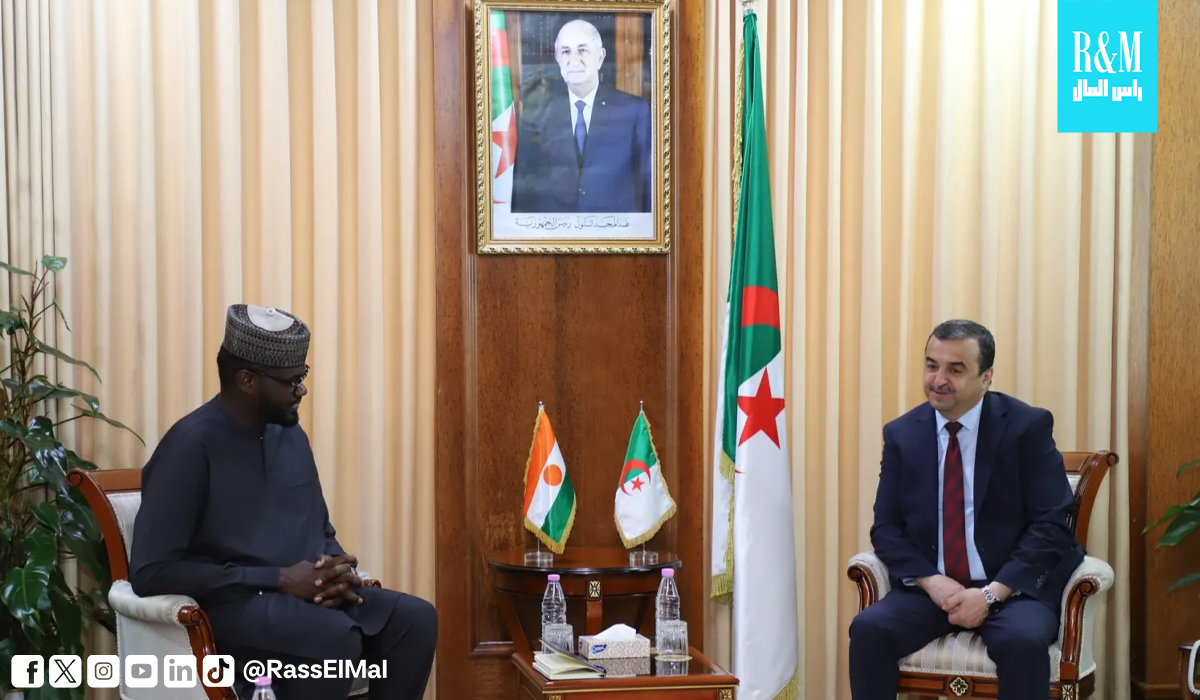
Image: Rass El Mal
Takeaway
The deepening energy cooperation between Algeria and Niger presents opportunities for international oil and gas companies looking to expand their operations in Africa. Investors should monitor the progress of joint projects and assess the political and security risks associated with operating in the Sahel region. Sonatrach's potential expansion into Niger could create new avenues for partnerships and investments in the hydrocarbon sector.
Algeria and Niger are strengthening their collaboration in the oil and gas sector, aiming to broaden their partnership across the hydrocarbon value chain. The move reflects a broader African trend toward deeper energy integration. The discussions occurred during a meeting between the Algerian Minister of Energy and Mining, Mohamed Arkab, and a delegation from the Nigerien Ministry of Petroleum. On Tuesday, May 19, 2026, Algerian Minister of Energy and Renewable Energy, Mourad Adjal, received the Minister of Energy of the Republic of Niger, Amadou Hawa, to discuss ways to strengthen bilateral cooperation and expand partnership prospects between the two countries in the energy field.
Algeria has been actively pursuing energy partnerships across the continent. In April 2026, Algeria and Chad signed agreements for a 40 MW power plant and public works cooperation, signaling Algeria's strategic push to expand its influence in the Sahel region. These agreements followed infrastructure agreements signed between Algeria and Chad, particularly focusing on the Trans-Saharan Highway, which presented opportunities for construction firms and logistics companies. These initiatives build upon Algeria's existing role as a key energy player in North Africa, leveraging its hydrocarbon resources to foster regional cooperation and development.
The partnership will focus on expanding collaboration across the hydrocarbon value chain. This includes exploration, production, transportation, refining, and marketing of oil and gas resources. Algeria possesses the tenth-largest proven natural gas reserves in the world, and is the leading natural gas exporter in Africa. Niger, while having smaller reserves, is strategically located and offers potential for further exploration and development. The existing infrastructure, including pipelines and refineries, will be leveraged to enhance the efficiency and capacity of the energy sector in both countries.
International oil and gas companies stand to benefit from increased investment and exploration activities in Niger. Algerian firms, such as Sonatrach, could expand their operations and market presence in the region. The enhanced energy cooperation could also lead to more stable energy supplies for both countries, reducing their reliance on external sources. However, companies operating in the region must navigate the complex regulatory and security environment, particularly in the Sahel region.
In the short term, further meetings and technical workshops are expected to take place to finalize specific projects and agreements. The success of this partnership hinges on the ability of both countries to secure financing for infrastructure development and attract foreign investment. Key risks include political instability in the region and fluctuations in global oil prices, which could impact the economic viability of joint projects. The completion of the Trans-Saharan gas pipeline, a long-discussed project, could serve as a major catalyst for further energy cooperation between Algeria, Niger, and other countries in the region.