Algeria Sets Strict Rules for External Financing of National Interest Projects
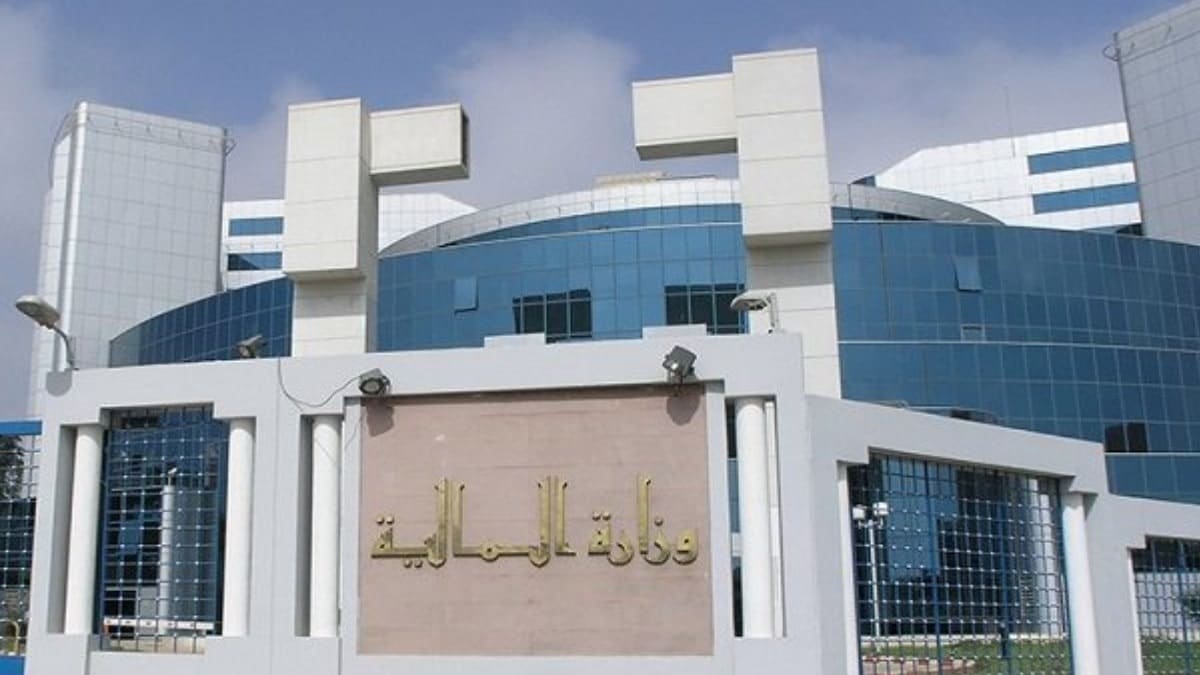
Image: TSA
Takeaway
The opening of Algerian infrastructure projects to external financing creates opportunities for international construction and engineering firms. Investors should analyze the specific terms of project tenders and financing agreements, focusing on risk mitigation strategies related to currency fluctuations and project delays. Companies like Siemens, Alstom, and China Railway Construction Corporation could see increased activity in the Algerian market.
Algeria is returning to the international market to secure financing for \"projects of national interest\" such as railways, as outlined in Article 201 of the 2025 Finance Law. The framework for accessing external financing was initially established in the 2021 Finance Law. The specific procedures for utilizing external financing for national interest projects are detailed in the decree of February 17, 2026, published in Official Journal No. 29. This decree was signed by Finance Minister Abdelkrim Bouzred and implements the provisions of Article 108 of Law No. 19-14 dated December 11.
This move towards external financing marks a shift from Algeria's previous reliance on internal resources, particularly oil revenues. The decision to tap international markets reflects the government's commitment to infrastructure development despite fluctuating energy prices. The 2021 Finance Law signaled this change, and the 2025 law solidified the framework, indicating a long-term strategy. These legal and regulatory changes are designed to provide clarity and structure for international investors, potentially attracting more favorable financing terms.
The types of projects eligible for external financing are classified as being of \"national interest,\" with railways specifically mentioned as an example. The specific criteria and evaluation process for determining which projects qualify are outlined in the February 17, 2026 decree. These projects are likely to be large-scale infrastructure initiatives requiring significant capital investment that exceeds the capacity of domestic financing alone. The Algerian government aims to secure competitive interest rates and favorable repayment terms by accessing a wider pool of international lenders.
The return to external financing could benefit international construction companies, engineering firms, and financial institutions. Companies specializing in railway construction and infrastructure development may find new opportunities in Algeria. Conversely, domestic Algerian banks and construction firms may face increased competition from international players. The reliance on external financing could also expose Algeria to currency risk and fluctuations in international interest rates.
Investors should monitor the implementation of the February 17, 2026 decree and the specific projects that are approved for external financing. Key dates to watch include upcoming tenders for railway projects and any revisions to the Finance Law that may impact the terms of external borrowing. A potential risk is that delays in project implementation or unfavorable market conditions could increase the cost of borrowing and strain Algeria's debt servicing capacity.