Algeria to Build Road Sections, Cement Plant in Chad Amidst Broader Infrastructure Push
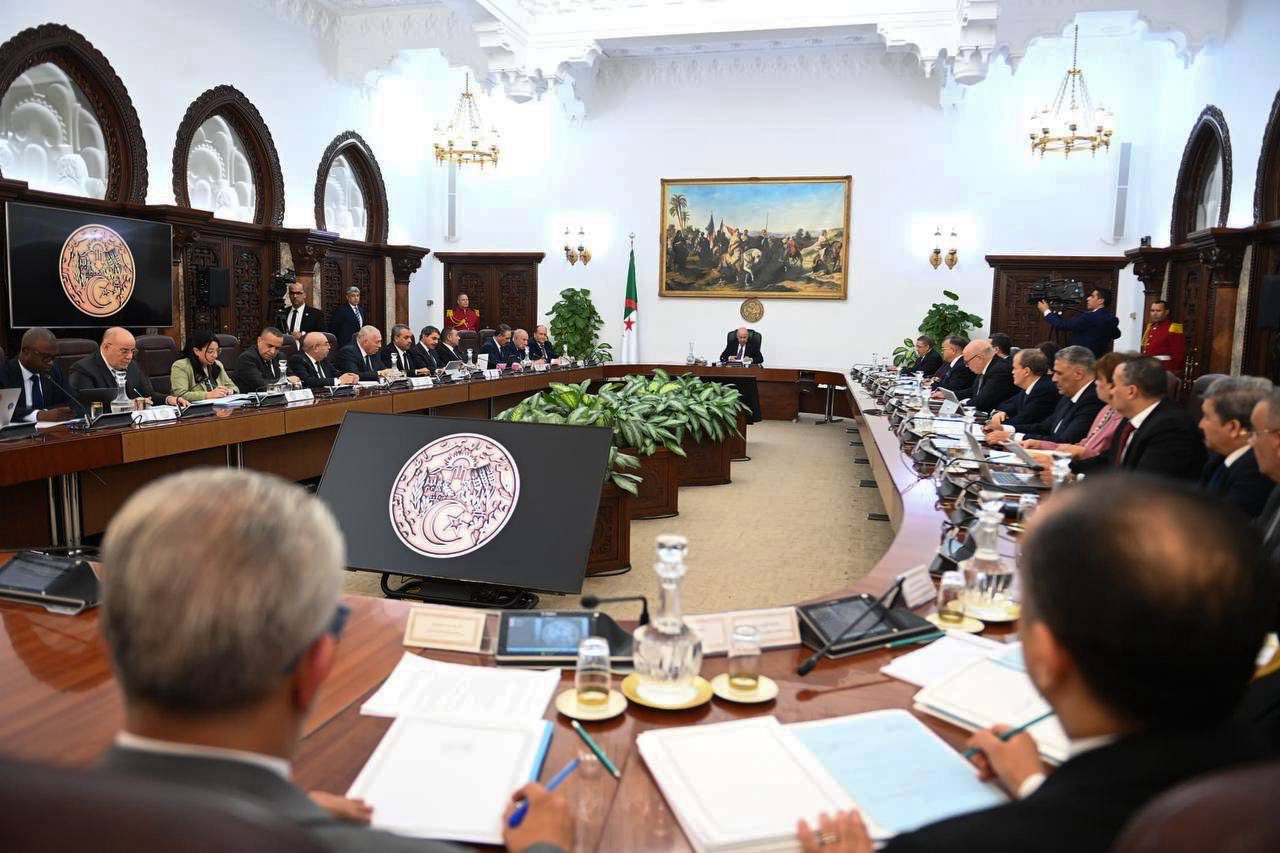
Image: AL24 News
Takeaway
Algeria's commitment to infrastructure projects in Chad and Niger presents opportunities for construction firms and suppliers of building materials. Investors should monitor the progress of these projects and explore potential partnerships with Algerian companies involved in the construction sector. The deepening economic ties between Algeria and its southern neighbors may also lead to increased trade and investment flows in the region.
President Abdelmadjid Tebboune has directed the Algerian government to undertake the construction of two sections of the Trans-Saharan Highway and a cement plant in Chad. This directive was issued during a Council of Ministers meeting on Sunday, May 3, 2026, where bilateral cooperation agreements with Chad and Niger were reviewed. A high-level Algerian technical delegation arrived in N'Djamena, Chad on May 3, 2026, to discuss the implementation of the Trans-Saharan Highway project, reflecting Algeria's commitment to bolstering cooperation with Chad. The delegation includes representatives from the Ministry of Public Works and Basic Infrastructure and the Algerian Agency for International Cooperation.
Algeria and Chad signed multiple agreements on April 22, 2026, during Chadian President Mahamat Idriss Déby Itno's visit to Algiers, covering sectors such as communication, public works, youth development, animal health, pharmaceuticals, industrial development, and trade facilitation. These agreements also included a visa exemption for diplomatic and service passport holders and a deal on political and diplomatic consultations. In February and March 2026, Algeria also signed similar agreements with Burkina Faso and Niger, signaling a broader strategy to deepen ties with Sahel countries. These partnerships aim to address security challenges and promote economic development through Algerian investment.
The Trans-Saharan Highway, also known as the African Unity Road, is a transnational infrastructure project involving six African countries: Algeria, Chad, Mali, Niger, Nigeria, and Tunisia. The highway stretches approximately 4,500 km (2,799 mi) from Algiers to Lagos. An additional 3,600 km of linked highways to Tunisia, Mali, and Mauritania are considered integral to the network. The Malian section of the TSH is 2,461 km long, including sections towards Niger (203 km) and Algeria (741 km).
The construction projects in Chad are expected to enhance regional integration and trade, benefiting users of the Trans-Saharan Highway. The highway aims to improve external and internal accessibility for Niger and Chad, reducing transport and logistics costs between Algiers-Niamey, Algiers-N'Djamena, Niamey-N'Djamena, and Niger-Burkina Faso-Mali. The project will also improve living conditions for populations in the project area. The African Development Fund is a key donor to the Trans-Saharan Highway project.
Looking ahead, Algeria is expected to continue strengthening its partnerships with neighboring countries through infrastructure development and economic cooperation. These projects align with the broader goals of the African Continental Free Trade Area (AfCFTA) and aim to promote regional stability and economic growth. The completion of the Trans-Saharan Highway and related infrastructure projects could significantly impact trade flows and regional development in the coming years.