Algeria and China Accelerate Joint Venture for Port Dredging
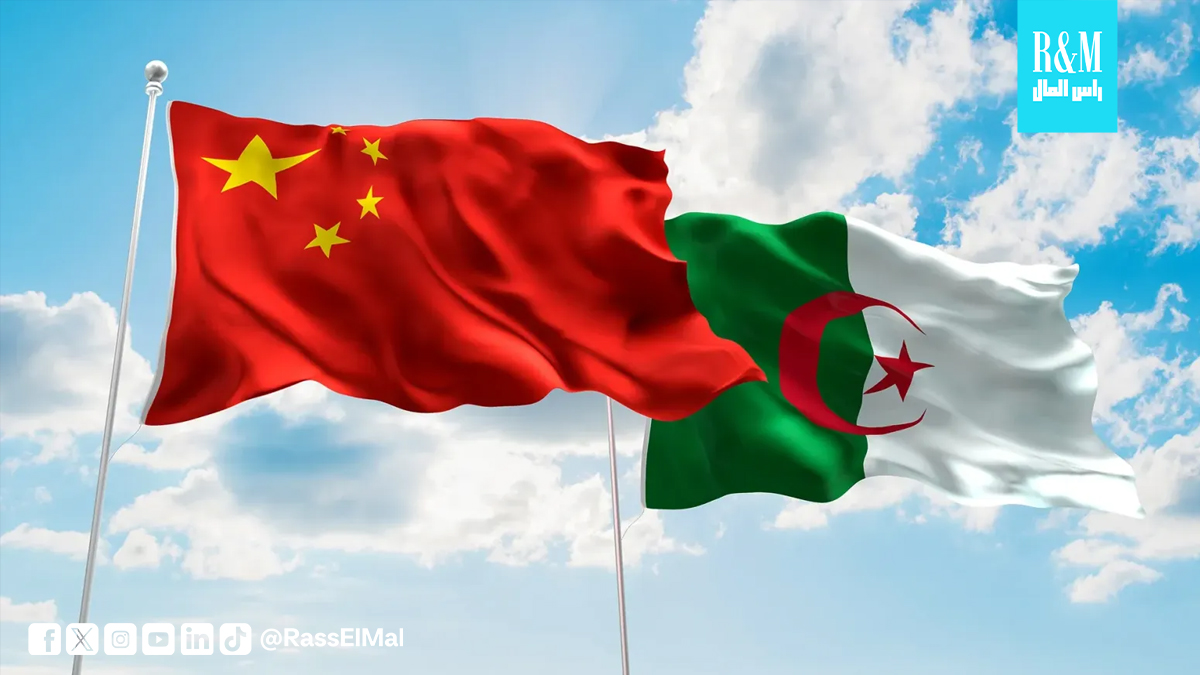
Image: Rass El Mal
Takeaway
The Algerian-Chinese port dredging joint venture presents an opportunity for maritime service providers and equipment suppliers. Investors should monitor the tender process for dredging contracts and equipment procurement, as well as the long-term impact on port efficiency and trade volumes. The enhanced port infrastructure could also attract foreign direct investment in manufacturing and logistics sectors.
Algeria and China are expediting the establishment of a joint venture specializing in the dredging of national ports. Minister of Public Works and Basic Infrastructure, Abdelkader Djellawi, reviewed the progress of port infrastructure development projects, with a focus on the creation of the Algerian-Chinese company. The initiative aims to enhance maritime infrastructure capabilities and support economic activity. A working meeting was held at the ministry headquarters to review the various procedures related to the implementation of the new company.
Algeria has been actively working to upgrade its port infrastructure to support its growing trade ambitions. In 2023, the country launched several projects to expand port capacities and modernize equipment. These efforts have included partnerships with various international firms to improve efficiency and attract more foreign investment. The focus on port development aligns with Algeria's broader strategy to diversify its economy and reduce its reliance on hydrocarbon exports. The government has also been investing in railway and road networks to improve connectivity between ports and inland industrial zones.
Dredging is a critical aspect of port maintenance and expansion, ensuring that waterways are deep enough to accommodate large vessels. The joint venture will likely utilize advanced dredging technologies to remove sediment and maintain navigable depths in Algerian ports. Globally, major port operators invest heavily in dredging to accommodate increasingly large container ships and bulk carriers. For example, the Port of Rotterdam in the Netherlands spends millions of euros annually on dredging to maintain its competitive edge. The Algerian-Chinese joint venture could adopt similar best practices to enhance the efficiency and capacity of Algerian ports.
The acceleration of the port dredging project is expected to benefit several sectors, including shipping, logistics, and manufacturing. Improved port infrastructure will reduce turnaround times for vessels, lower shipping costs, and facilitate the movement of goods. This will make Algerian ports more attractive to international shipping lines and boost trade volumes. Local industries that rely on imported raw materials and export finished products will also benefit from more efficient port operations. Chinese companies involved in infrastructure development and maritime services are also poised to gain from this collaboration.
Looking ahead, the successful establishment and operation of the Algerian-Chinese dredging company could pave the way for further collaborations in other infrastructure projects. The Algerian government is expected to announce additional details regarding the company's structure, investment plans, and operational timeline in the coming months. Key risks to monitor include potential delays in project implementation, regulatory hurdles, and fluctuations in global commodity prices, which could impact the economics of port operations.