Algeria Eyes 1,000 MW Power Plant Project in Mozambique to Boost Energy Cooperation
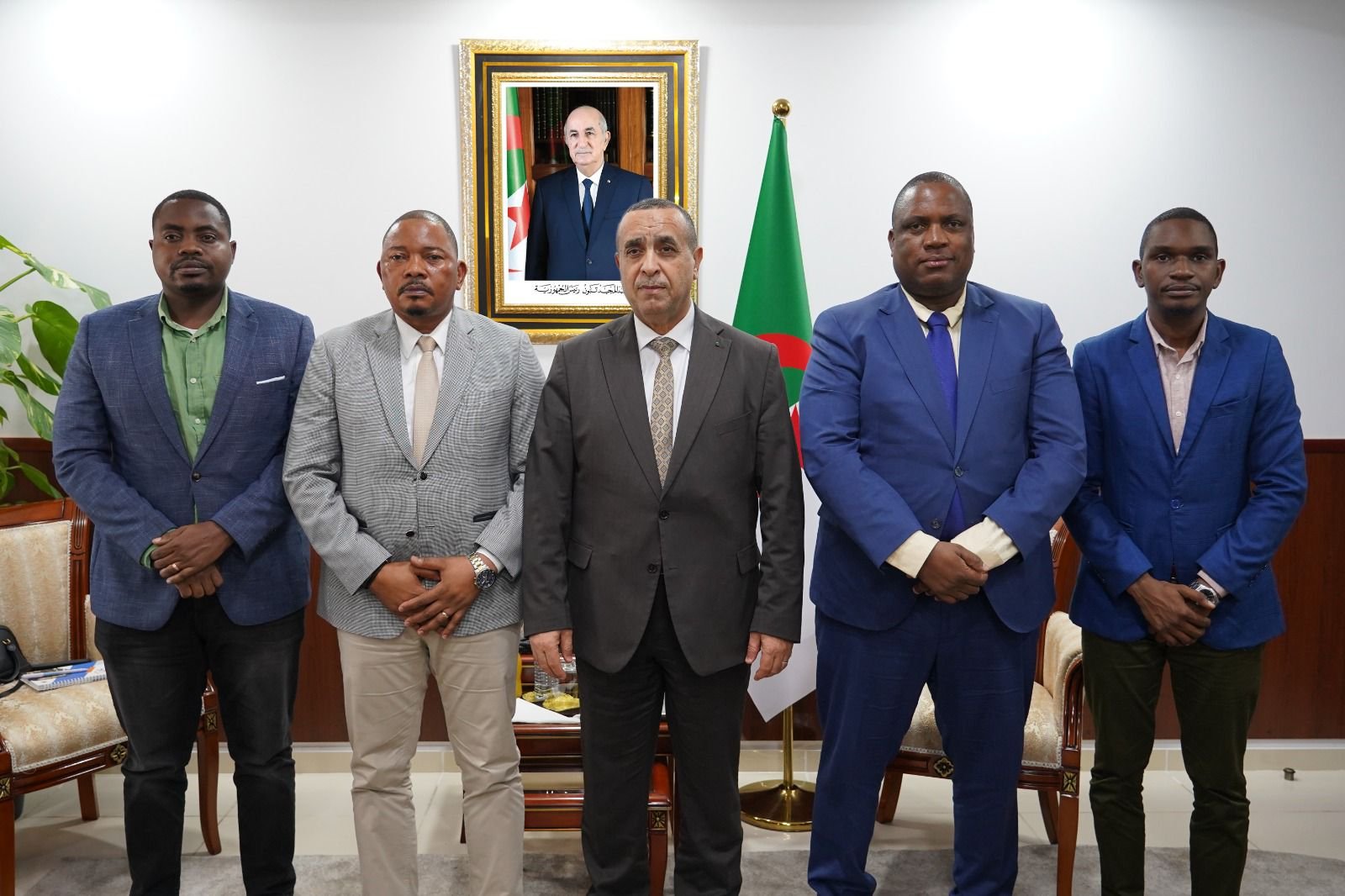
Image: Algerie Eco
Takeaway
The potential 1,000 MW power plant in Mozambique represents a strategic move for Algeria to expand its energy footprint in Southern Africa. International investors should monitor the project's development for opportunities in construction, technology supply, and energy infrastructure financing. Success hinges on securing stable financing, navigating Mozambique's evolving regulatory landscape, and mitigating security risks in project areas.
Algeria is exploring the construction of a 1,000 MW power plant in Mozambique, as revealed during a meeting on Wednesday between Algerian Minister of Energy and Renewable Energies, Mourad Adjal, and a high-level delegation from Mozambique comprised of energy officials and experts. The discussions centered on various aspects of bilateral cooperation, with a primary focus on the realization of the power plant project. The potential project signifies a deepening of energy ties between the two African nations.
Mozambique possesses significant energy resources, including an estimated energy capacity of 187,000 MW from coal, hydroelectricity, natural gas, solar energy, and wind power, ranking it first in energy potential within the Southern African Power Pool (SAPP) as of 2021. As of 2019, Mozambique had 2,185 MW of installed hydroelectric generation capacity, accounting for 92% of the total national installed capacity of 2,375 MW. The country's largest power generation facility is the Cahora Bassa hydroelectric dam, operated by Hidroeléctrica de Cahora Bassa (HCB), which distributes 65% of its 2,075 MW capacity to South Africa.
While hydroelectric sources currently dominate Mozambique's power generation, natural gas and renewable energy sources are projected to contribute significantly, potentially accounting for 30% of total energy generation within the next decade. Mozambique's advances in the LNG industry have been hampered by repeated militant attacks in Cabo Delgado. The country holds 100 trillion cubic feet (Tcf) of proved natural gas reserves, ranking third in Africa behind Nigeria and Algeria. Mozambique has a potential solar energy yield estimated between 1,785 and 2,206 kWh/m2/year, resulting in a solar energy potential of 23,000GWh/year.
The construction of a 1,000 MW power plant could provide a boost to Mozambique's efforts to achieve universal electrification by 2030. The project aligns with Mozambique's National Electrification Strategy, which targets 68% grid connections and 30% off-grid solutions by 2030. International companies involved in power plant construction and energy infrastructure development could benefit from potential contracts and investment opportunities. The Temane Transmission Project (TTP) will link a planned 400 MW natural gas-to-power plant in Temane to Maputo and South Africa.
Future discussions and feasibility studies will likely determine the specific location, technology, and financing structure of the 1,000 MW power plant project. Key factors to watch include the involvement of Algerian firms like Sonatrach and Sonelgaz, as well as potential partnerships with international investors and technology providers. The project's progress will also depend on security conditions in Mozambique, particularly in regions with significant energy infrastructure. Mozambique aims to become a major gas player and transition to electricity as its core energy source.