Algeria and Ethiopia Explore Enhanced Trade and Investment Partnership
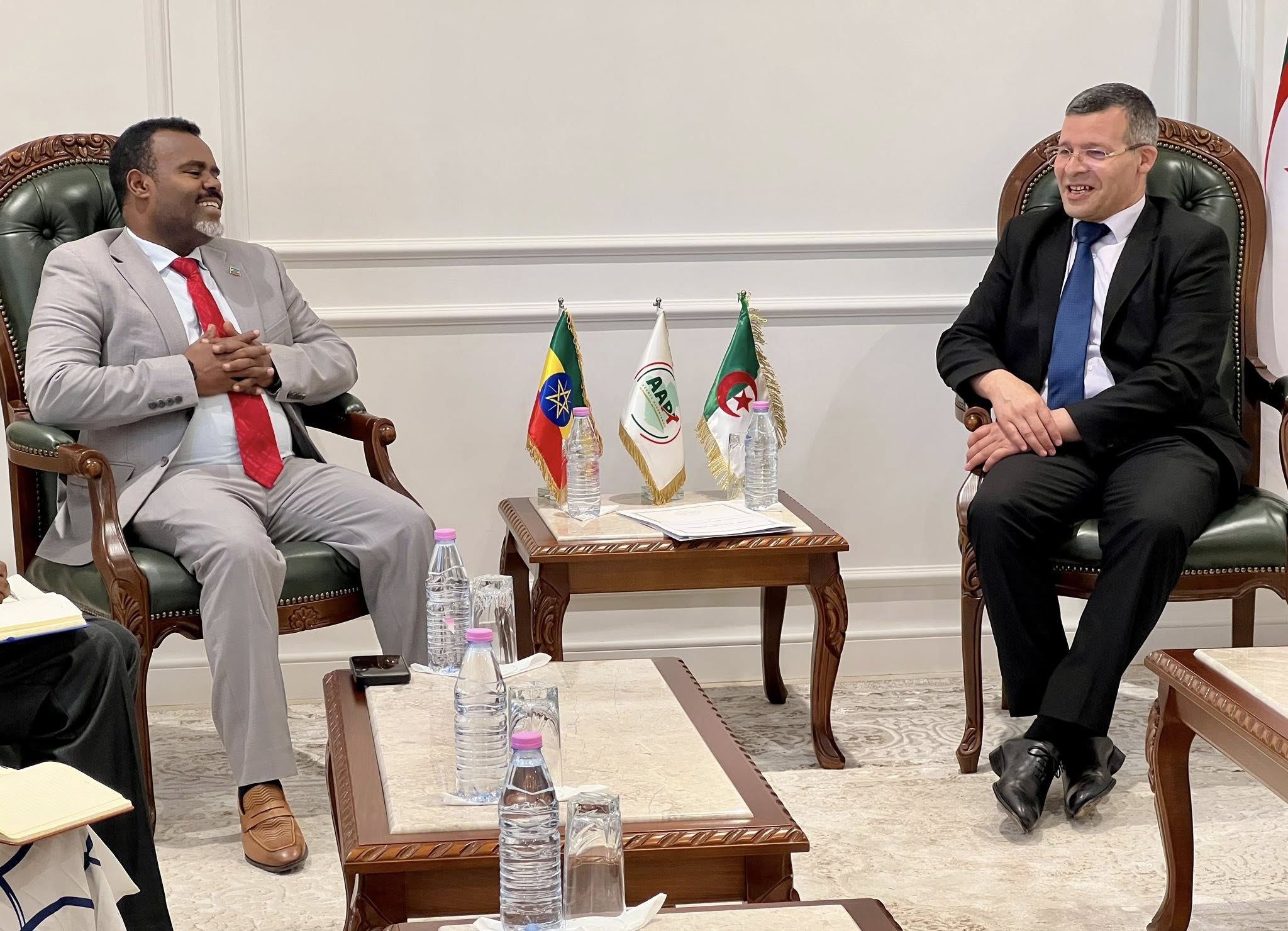
Image: Ennahar
Takeaway
The deepening economic ties between Algeria and Ethiopia present an opportunity for international investors to capitalize on the growing trade and investment flows between the two countries. Companies involved in logistics, agriculture, and energy should explore potential partnerships and market entry strategies. Investors should closely monitor the regulatory environment and political stability in both countries to mitigate risks.
Omar Rekkache, Director General of the Algerian Agency for Investment Promotion, met with Mukhtar Mohamed Warri, the Ambassador of Ethiopia to Algeria, on Wednesday, May 20, 2026, to discuss ways to strengthen economic and investment cooperation between the two countries. The meeting focused on enhancing trade and investment flows within the framework of a joint African approach aimed at supporting inter-African partnerships. The discussions highlighted the potential for increased collaboration to boost economic ties and promote investment opportunities between Algeria and Ethiopia.
Algeria has been actively pursuing stronger economic ties with African nations as part of its broader strategy to diversify its economy and promote regional integration. In 2024, Algeria signed several trade agreements with countries in West Africa, including Nigeria and Senegal, focusing on agricultural products and construction materials. These agreements aimed to reduce reliance on European markets and foster intra-African trade. Furthermore, in 2025, Algeria allocated DZD 270 billion (~$2 billion) to support infrastructure projects in neighboring countries, including road and railway construction, to facilitate trade and investment flows. These initiatives reflect Algeria's commitment to strengthening its economic presence on the continent.
Ethiopia's economy has experienced significant growth in recent years, driven by investments in infrastructure, agriculture, and manufacturing. The country's strategic location and large population make it an attractive market for Algerian businesses. Ethiopia's main exports include coffee, leather products, and textiles, while its imports consist of machinery, vehicles, and petroleum products. In 2025, Ethiopia's trade with other African countries amounted to $3.5 billion, representing a 15% increase compared to the previous year. The government has set a target to increase intra-African trade to 25% by 2030 through various policy measures and trade facilitation initiatives.
Increased trade and investment between Algeria and Ethiopia could benefit several sectors, including agriculture, manufacturing, and energy. Algerian companies could explore opportunities to export fertilizers and agricultural machinery to Ethiopia, while Ethiopian businesses could increase exports of coffee and textiles to Algeria. The partnership could also lead to joint ventures in the energy sector, with Algerian companies providing technical expertise and investment in Ethiopia's oil and gas exploration projects. International shipping companies like Maersk and CMA CGM could see increased demand for their services as trade volumes between the two countries grow. Conversely, European exporters who have traditionally dominated the Algerian market may face increased competition from Ethiopian products.
In the coming months, a joint Algerian-Ethiopian business forum is planned to further explore specific investment opportunities and facilitate partnerships between companies from both countries. The forum, scheduled for Q4 2026 in Addis Ababa, aims to identify priority sectors for collaboration and address any regulatory or logistical barriers to trade and investment. A key risk to monitor is the potential for political instability in either country, which could disrupt trade flows and discourage investment. Additionally, fluctuations in commodity prices, particularly oil and coffee, could impact the economic viability of certain projects.