Port of Ténès Boosts Algerian Clinker and Cement Exports with 16,000-Ton Shipment
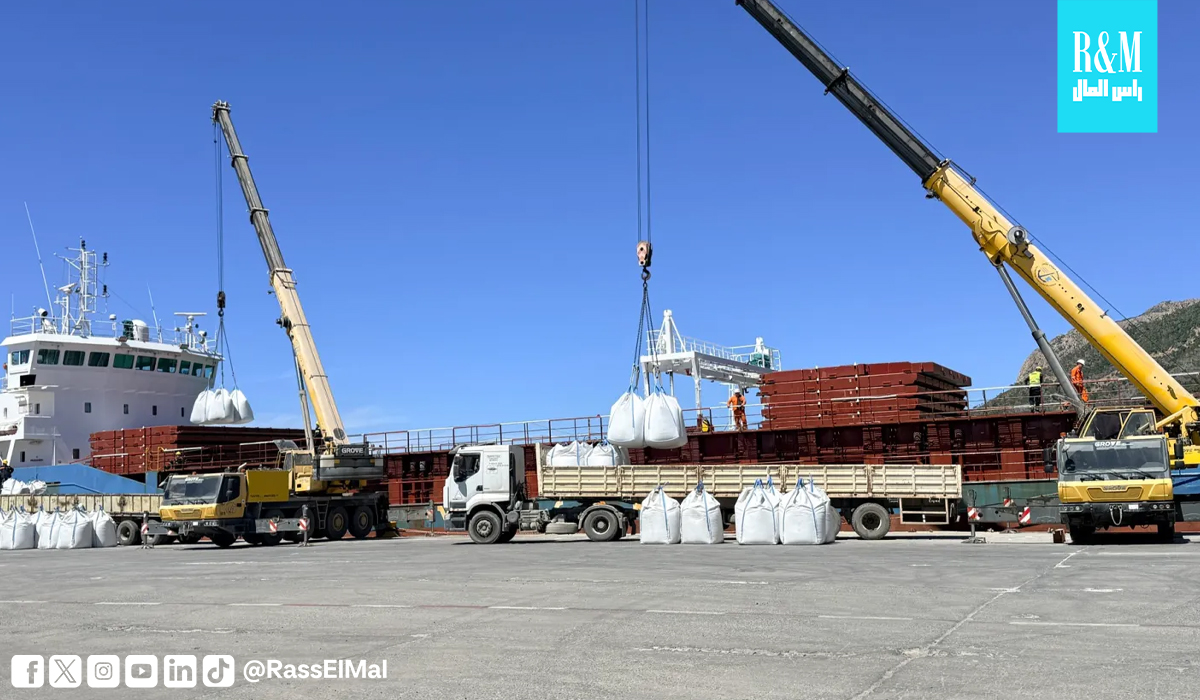
Image: Rass El Mal
Takeaway
The surge in clinker and cement exports from the Port of Ténès signals growing opportunities for international shipping companies and cement importers. Investors should monitor Algeria's port infrastructure development plans and the impact of government incentives on cement production costs. Increased export volumes may put downward pressure on regional cement prices, affecting profit margins for producers in competing nations.
The Port of Ténès, located in the Chlef province, has experienced a surge in export activity, marked by the simultaneous loading of three ships with over 16,000 tons of clinker and cement. This operation highlights the increasing operational readiness of Algerian ports and the country's focus on diversifying exports beyond hydrocarbons. The intensified export activity aligns with directives from the Minister of Interior, Local Authorities, and Transport, Said Saayoud, aimed at enhancing port performance.
Algeria has been making strides in transforming itself from a cement importer to a net exporter, driven by substantial investments in new cement plants and expanded production capacities. In 2024, Algeria reached record levels with an annual cement production capacity of 41 million tons and domestic consumption around 23 million tons. This shift is part of a broader national strategy to diversify the economy away from hydrocarbons, with the government implementing urgent measures to support cement and clinker exports, including optimizing port infrastructure and reducing logistics costs.
Algeria's installed cement production capacity is approximately 42 million tons per year, while domestic demand ranges between 20 and 30 million tons per year. This allows for exports of around 10 million tons annually. The state-owned GICA group exported over 6 million tons of cement for $1.2 billion (~DZD 162 billion), while Holcim-Lafarge Algeria exported 3.1 million tons for $140 million (~DZD 18.9 billion) in 2024. The country manufactures Ordinary Portland Cement types CEMI, CEM II/A, and CEMII/B with strength classes 32.5 and 42.5, and also produces sulfate-resistant cement and white cement.
The increased export activity at the Port of Ténès benefits construction firms and logistics companies involved in the cement and clinker supply chain. Major markets for Algerian cement exports include Ghana, Côte d'Ivoire, and Burkina Faso. In 2024, Algeria was a top exporter of cement clinkers, with exports valued at $257.54 million (~DZD 34.7 billion). The government's focus on optimizing port infrastructure, enhancing storage capacity, and reducing logistics costs will further enhance the competitiveness of Algerian cement in the international market.
Looking ahead, Algeria aims to capitalize on an exportable surplus estimated at 20 million tons per year. President Tebboune has ordered the designation of an Algerian port to be adapted exclusively for cement exports, potentially with floating silos. Upcoming trade events in 2026 may present opportunities for business expansion in the cement industry. However, logistical challenges at the port level need to be addressed to fully realize the export potential.