Algeria and Chad Advance Trans-Saharan Road Project with Technical Mission
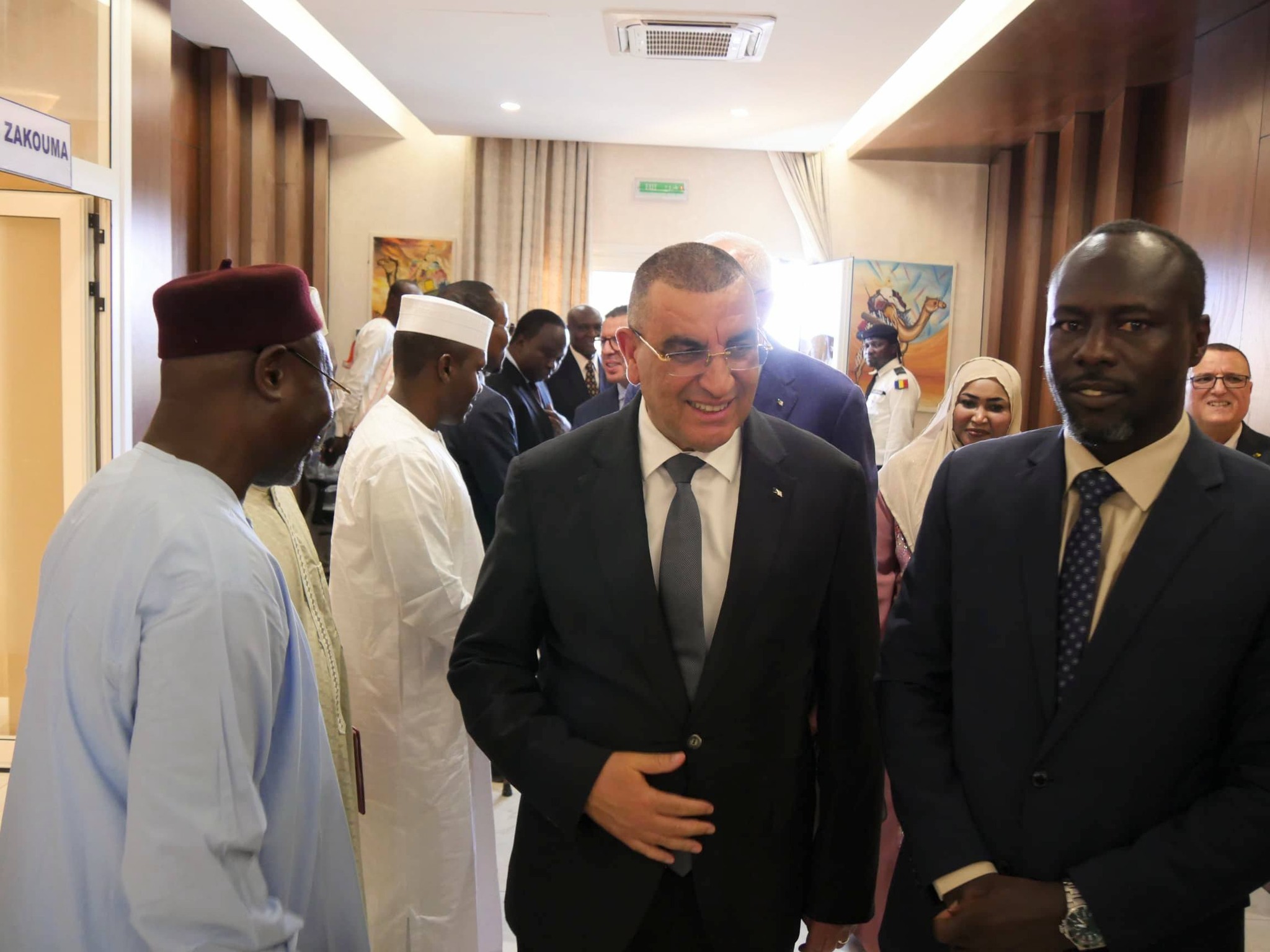
Image: AL24 News
Takeaway
The renewed focus on the Trans-Saharan Highway presents opportunities for construction firms like Cosider and maritime service providers involved in port dredging, building on Algeria's existing partnerships with Chinese companies. Investors should monitor the progress of the highway's construction and related infrastructure projects, as they are crucial for unlocking trade and investment opportunities in the region, particularly with the African Continental Free Trade Area (AfCFTA).
Algerian Minister of Public Works and Basic Infrastructure, Abdelkader Djellaoui, embarked on a two-day working visit to Chad on Wednesday, May 13, 2026, accompanied by a high-level delegation to advance joint infrastructure projects, particularly the Trans-Saharan Road. The delegation included Abed Halouz, the Director-General of the Algerian Agency for International Cooperation for Solidarity and Development. The visit follows instructions from Algerian President Abdelmadjid Tebboune to undertake the construction of two sections of the Trans-Saharan road on Chadian territory by Algerian companies.
Proposed in 1962, with construction starting in the 1970s, the Trans-Saharan Highway, also known as the African Unity Road, is one of Africa's oldest and most complete transnational highways. The 4,500 km (2,799 mi) highway, formally the Trans-Saharan Road Corridor (TSR), aims to facilitate trade, transportation, and regional integration among six African countries: Algeria, Chad, Mali, Niger, Nigeria, and Tunisia. The highway runs north to south across the Sahara Desert from Algiers to Lagos. The Trans-Saharan Road Liaison Committee (CLRT), comprised of representatives from the six countries, leads the coordination of the TSR.
The Trans-Saharan Highway project includes 4,498 km of main road from Algiers to Lagos via Zinder, Niger, and feeder roads to Tunisia, Mali, and Chad. The Chadian section includes the Massakory-Bol-Niger Border road, which is 415 km long. The project also involves a multinational initiative to enhance high-speed telecommunications across the region via thousands of kilometers of cable as part of the "Trans-Saharan Fibre Optic Backbone". The African Development Fund holds a leading position in financing the Trans-Saharan Highway, with its share currently amounting to $119.32 million USD, which is 68.14% of the total project cost in Niger, which is $175.10 million USD.
The completion of the Trans-Saharan Highway is expected to significantly benefit residents within the project impact area, spanning 4.4 million km² and encompassing a population of 60 million in Algeria, Tunisia, Mali, Niger, Chad, and Nigeria. The highway will improve employability, increase job opportunities in public works and civil engineering, and strengthen commercial activities through improved access to socio-economic infrastructure. The project will also support balanced territorial development by enhancing connectivity to Saharan regions, facilitating greater economic and cultural exchange between North and Sub-Saharan Africa.
Looking ahead, the technical delegation's visit, which began on May 6, 2026, included representatives from the Ministry of Public Works and Basic Infrastructures, the Algerian International Cooperation Agency for Solidarity and Development, Cosider Travaux Publics, the National Public Works Company (SNTP), and the National Body for Technical Control of Public Works (CTTP). The delegation assessed the sites for the two sections of the Trans-Saharan road to identify potential technical and logistical challenges and ensure conformity with existing studies. The project's implementation period is 60 months, with a total cost estimated at UA 381.40 million.