Algeria Considers Building 1,000 MW Power Plant in Mozambique
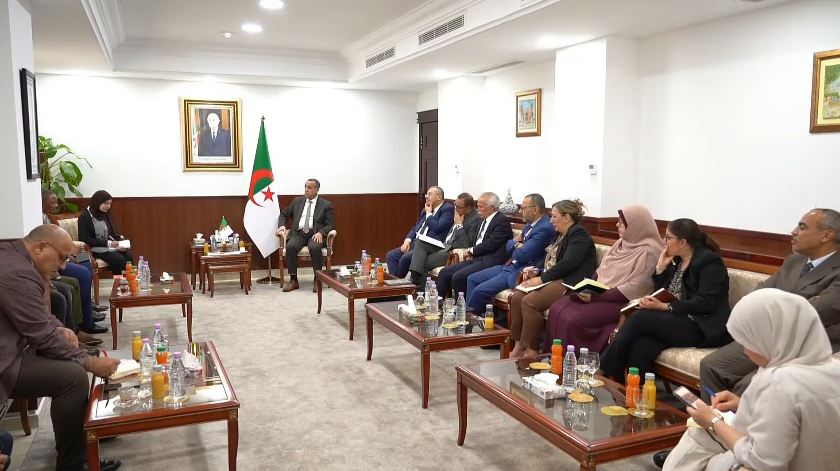
Image: AL24 News
Takeaway
The potential 1,000 MW power plant in Mozambique presents a strategic opportunity for Algerian firms like Sonatrach and Sonelgaz to expand their footprint in the African energy market. International investors should monitor the project's progress, as successful implementation could lead to further infrastructure development and energy trade opportunities in the region. Companies specializing in power generation equipment and engineering services could also benefit from this initiative.
Algeria is exploring the construction of a 1,000 MW power plant in Mozambique, following discussions between Algeria's Minister of Energy and Renewable Energies, Mourad Adjal, and a high-level delegation of energy officials and experts from Mozambique on Wednesday, May 20, 2026. The project aligns with Algerian President Abdelmadjid Tebboune's directives to strengthen Algeria's presence in regional energy markets and promote partnerships with African nations. The meeting in Algeria focused on enhancing bilateral cooperation and expanding collaboration across the African continent.
Algeria has been actively expanding its energy cooperation with Mozambique. In October 2025, Algerian government and parastatal entities signed four Memoranda of Understanding (MoUs) in Maputo, including agreements between Sonatrach and Empresa Nacional de Hidrocarbonetos (ENH) to strengthen cooperation along the energy value chain. These MoUs covered oil and gas exploration and production, refining, and connecting natural gas distribution networks to domestic consumers. Furthermore, Sonelgaz and Electricidade de Moçambique (EDM) signed an MoU envisioning cooperation in gas-fired electricity generation, including power plant construction, basic training, and the manufacture of electrical equipment.
Mozambique possesses substantial energy resources, including an estimated potential output of 187 gigawatts from coal, hydro, gas, wind, and solar sources, making it a prime location for energy infrastructure development. As of 2019, hydroelectric sources accounted for 92% of Mozambique's total installed capacity, with the Cahora Bassa Hydroelectric Power Station (CBHPS) being the largest power station with a capacity of 2,075 MW. However, natural gas and renewable energy sources are projected to contribute significantly in the coming years, potentially accounting for 30% of total energy generation within the next decade.
The construction of a 1,000 MW power plant would significantly benefit Mozambique by increasing its power generation capacity and potentially reducing its reliance on hydroelectric power, which is vulnerable to drought. The project could also create opportunities for international engineering and construction firms, as well as suppliers of power generation equipment. For Algeria, this project represents an opportunity to expand its influence in the African energy sector and strengthen its position as a reliable energy partner.
Looking ahead, the implementation of this project will depend on further feasibility studies, financing arrangements, and regulatory approvals from both governments. The project aligns with Mozambique's goal of achieving universal electrification by 2030, requiring significant investments in power generation and distribution infrastructure. Risks include potential delays due to logistical challenges, security concerns, and fluctuations in global energy prices, which could impact the project's economic viability.