Algeria and Germany Strengthen Vocational Training Partnership to Boost Skills
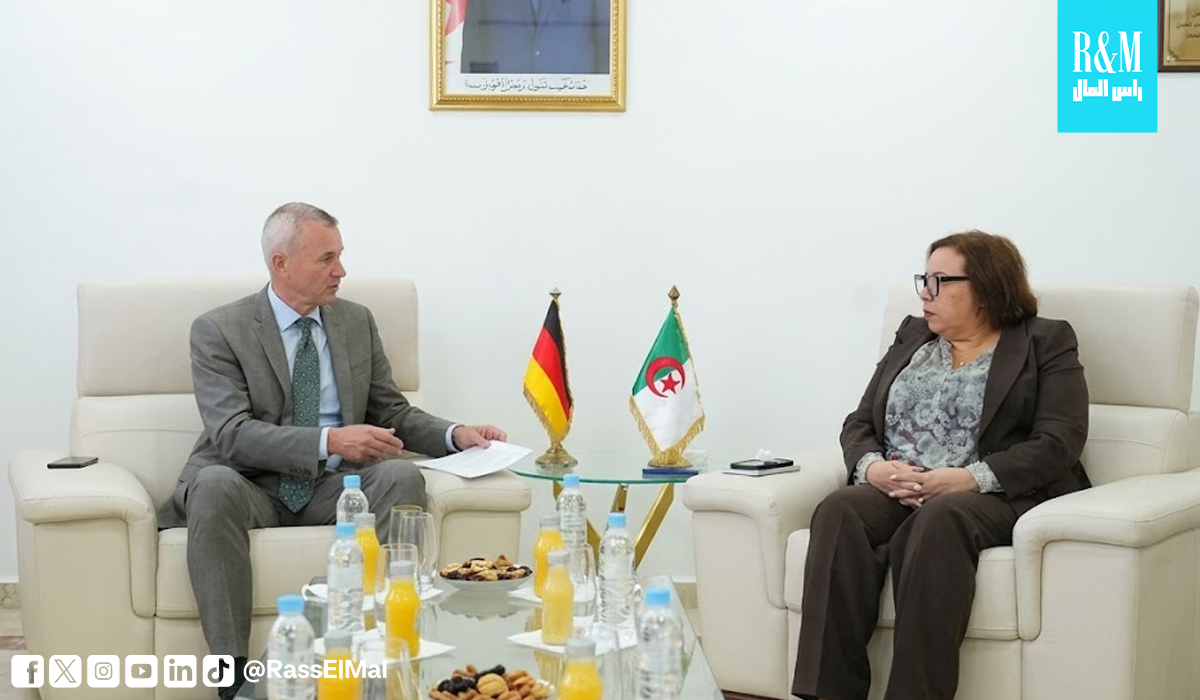
Image: Rass El Mal
Takeaway
The deepening vocational training partnership between Algeria and Germany signals a long-term commitment to developing a skilled workforce, which is crucial for attracting foreign investment and diversifying the Algerian economy. International companies considering investments in Algeria should assess the availability of skilled labor in their respective sectors and explore opportunities to collaborate with local training institutions to address any skills gaps. The focus on applied training suggests potential demand for industrial equipment and training solutions from German providers.
Algeria's Minister of Vocational Training and Education, Naima Arouhab, met with the Ambassador of the Federal Republic of Germany to Algeria, Georg Felsheim, on Tuesday, May 19, 2026, to discuss ways to enhance bilateral cooperation in vocational training and skills development. The meeting, held at the ministry headquarters, emphasized the importance of partnerships between training institutions and the economic sector, particularly in developing centers of excellence in vocational training. Discussions also focused on expanding cooperation into various fields, especially concerning applied training.
Algeria has been actively pursuing vocational training initiatives to address skills gaps and promote economic diversification. In 2024, the Algerian government allocated DZD 81 billion (~$600 million) to modernize vocational training centers across the country, aiming to align training programs with the needs of emerging industries. This followed a 2023 agreement with the International Labour Organization (ILO) to develop a national skills strategy, focusing on sectors such as renewable energy, digital technology, and agriculture. These efforts built upon the 2022 launch of the 'Skills for Growth' program, which aimed to train 100,000 young Algerians in high-demand sectors over five years.
Germany's vocational training system, known for its dual education model combining classroom learning with practical experience, serves as a benchmark for Algeria's aspirations. Germany invests approximately €31 billion (~$33.5 billion) annually in vocational training, with over 500,000 companies participating in apprenticeship programs. The German system boasts a 70% employment rate for graduates within six months of completing their training. Algeria aims to replicate this success by establishing specialized training centers in key sectors, equipped with modern technology and staffed by qualified instructors.
The enhanced cooperation between Algeria and Germany is expected to benefit several sectors, including manufacturing, renewable energy, and information technology. Algerian companies will gain access to German expertise in curriculum development, instructor training, and technology transfer. German companies, particularly those specializing in industrial equipment and training solutions, stand to gain from increased demand for their products and services in Algeria. This partnership could also lead to the creation of joint ventures in the training sector, further strengthening economic ties between the two countries.
Looking ahead, the Algerian Ministry of Vocational Training and Education is expected to announce specific projects and initiatives resulting from the discussions with Germany by the end of Q3 2026. A key indicator to watch will be the number of Algerian trainees participating in exchange programs in Germany and the establishment of new vocational training centers with German support. Failure to secure funding commitments from the Algerian government or a shift in German policy priorities could pose risks to the successful implementation of these initiatives.