Algeria Invests in Public Works: New Projects and Infrastructure Upgrades
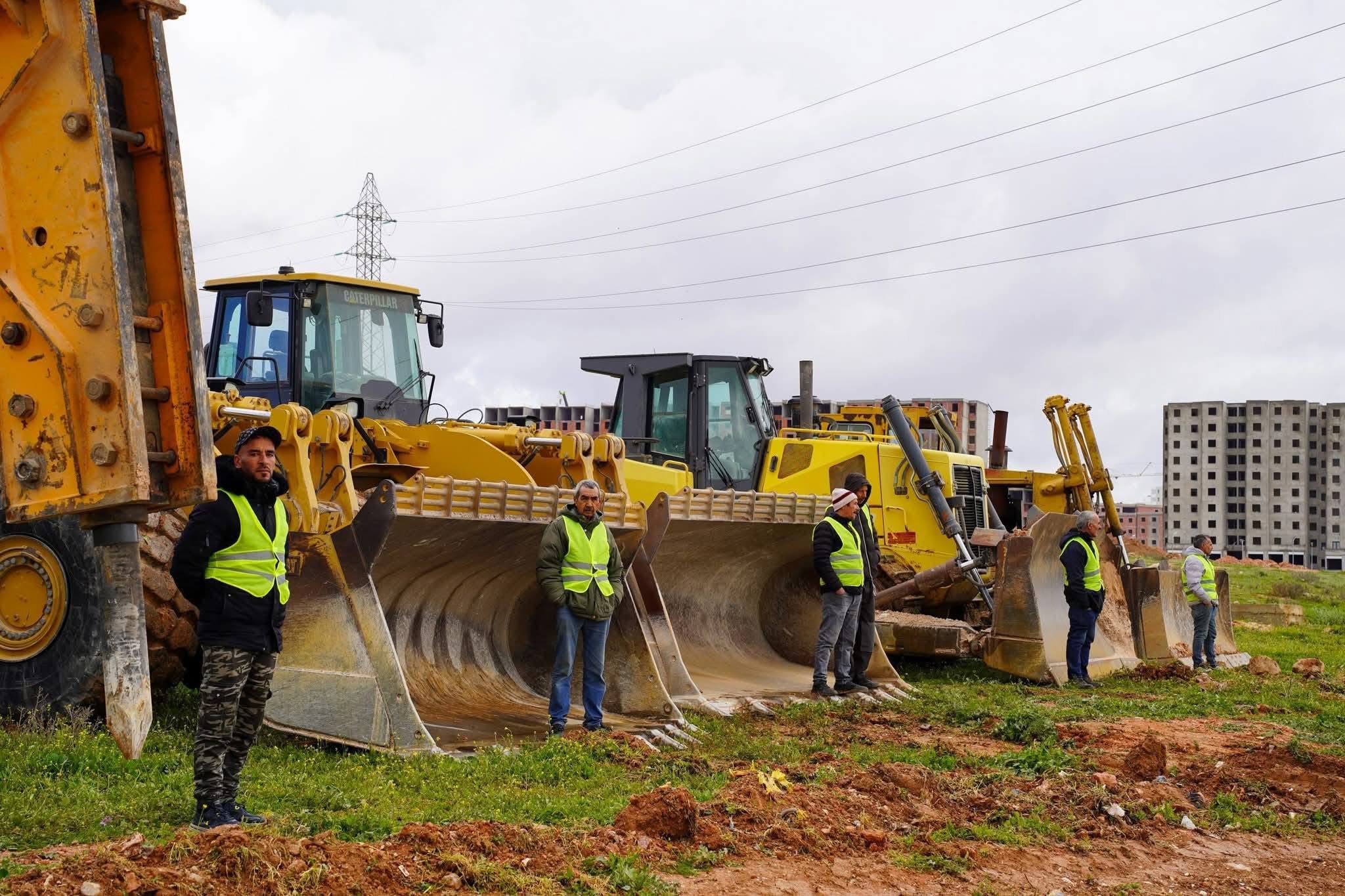
Image: El Mawkie
Takeaway
The expansion of Algeria's rail network, particularly the $18 billion investment program, presents opportunities for construction companies and suppliers of railway equipment. Investors should analyze the tenders issued by Anesrif and consider partnerships with local firms to capitalize on these projects. The focus on transport, energy, and agro-industry within the African Development Bank's strategy highlights sectors with strong growth potential.
Algeria is advancing its infrastructure development with a series of public works projects across the country. These initiatives aim to modernize infrastructure, reduce traffic congestion, and stimulate economic growth. Minister of Public Works and Basic Infrastructure, Abdelkader Djelloui, has been actively involved in assessing the progress of these projects and planning future developments.
Djelloui chaired a coordination meeting dedicated to public works, reviewing the progress of ongoing projects in various regions and discussing upcoming projects and future sector development. The meeting, held at the ministry headquarters, included key central executives. In Mila and Constantine, local authorities have launched vital development projects in the public works sector to enhance infrastructure. These projects include the duplication of National Road 27, stretching from the borders of Constantine and Mila towards the municipality of Grarem, divided into two sections, the first being 5 km long.
On April 2, 2026, Algeria issued tenders for the construction of a 495-kilometer railway linking Laghouat, Ghardaïa, and El-Meniaa. Overseen by the National Agency for Railway Investment (Anesrif), the project aims to improve passenger and freight transport between the north and center of the country, supporting economic development in the regions along the route. The project is divided into two sections: the 265-kilometer Laghouat-Ghardaïa segment, including five stations, 21 viaducts, one tunnel, and 55 drainage structures, and the 230-kilometer Ghardaïa-El-Meniaa segment, with three stations, six viaducts, and 35 additional structures. Once complete, passenger trains will be able to run at speeds up to 220 km/h, while freight trains will run at 160 km/h. By 2030, Algeria aims to extend its rail network to 15,000 kilometers, a significant increase from the 4,722 kilometers in 2023.
These projects are part of a broader investment program estimated at nearly $18 billion, aimed at expanding and modernizing the national rail network. The African Development Bank Group approved a 2025–2030 Country Strategy for Algeria in December 2025, designed to support economic diversification, strengthen strategic infrastructure, and advance regional integration. The strategy focuses on developing infrastructure to stimulate the economy and reinforce regional integration, as well as accelerating structural economic transformation through economic reforms and the development of agro-industrial value chains. The Bank's interventions will focus on four key sectors—transport, energy, agro-industry, and economic governance.
Investors should monitor the progress of these infrastructure projects, as they are crucial for Algeria's economic diversification and regional integration. The expansion of the rail network and the modernization of roads will improve logistics and reduce transportation costs, benefiting the agricultural and mining sectors. Key dates to watch include the completion of the Laghouat-Ghardaïa-El-Meniaa railway, and further announcements regarding the African Development Bank's investment pipeline in Algeria.