Algeria Leads Global LPG Export Recovery Amidst Energy Sector Fluctuations
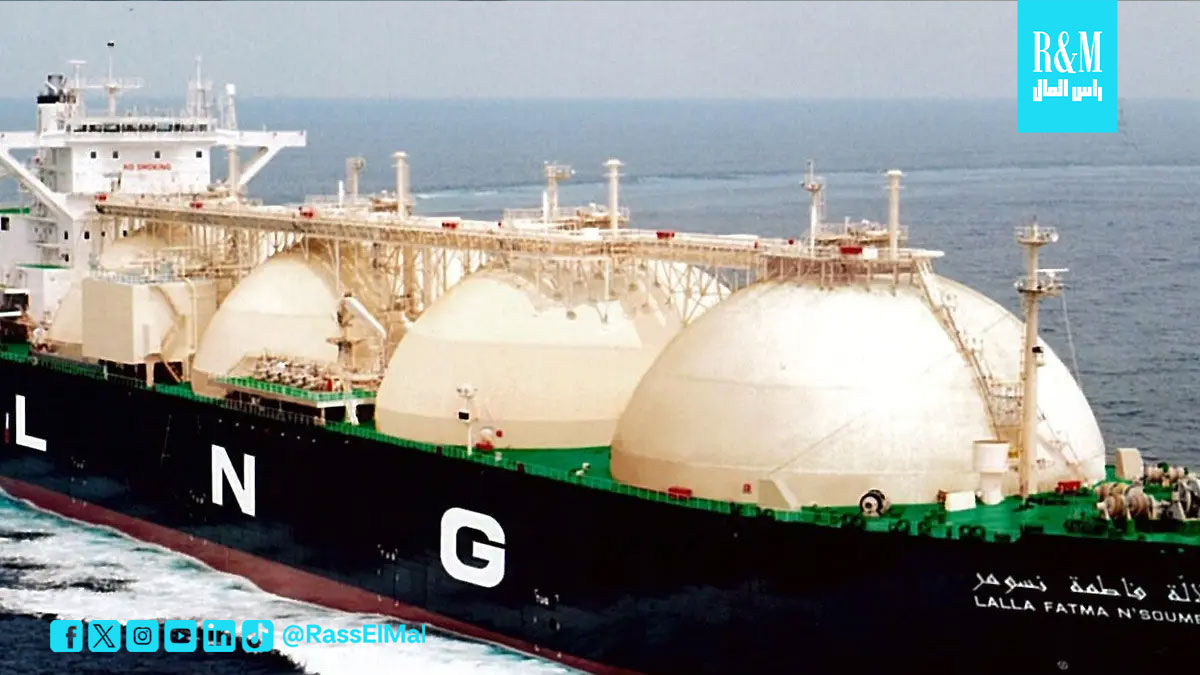
Image: Rass El Mal
Takeaway
The increase in Algerian LPG exports presents opportunities for international shipping companies and Asian buyers seeking to diversify their supply sources. Investors should monitor Algeria's evolving LPG export policies and infrastructure developments, as well as the competitive landscape, including the impact of U.S. shale production and Russian export capacity, to assess long-term market dynamics.
Algeria has emerged as a key player in bolstering the global Liquefied Petroleum Gas (LPG) market, capitalizing on increased production and expanded international marketing networks amidst volatile energy sector conditions since the start of 2026. Seaborne LPG exports have seen a recovery in May, with average flows rebounding to 4.8 million barrels per day, following disruptions caused by conflicts in the Middle East Gulf. This resurgence positions Algeria as a significant contributor to easing supply concerns, particularly for import-dependent Asian markets.
Algeria's focus on expanding its petrochemical industry has been evident since at least December 2025, with the announcement of a $7 billion (~DZD 945 billion) plan to scale up refining and petrochemical capacity. This initiative aims to transform Algeria from a hydrocarbon exporter to a producer of industry-leading petrochemical products for both domestic and international markets. The government introduced incentives in the early 2010s, such as tax exemptions for autogas vehicles, to encourage the use of domestically produced LPG, which increased autogas demand to over 2 million tonnes in 2025 from below 300,000 tonnes in 2014.
Currently, Algeria produces approximately 35% of its petroleum derivatives locally, with projections to increase this figure to 50% within the next two years. This increase is part of a national strategy focused on developing processing industries and reducing import dependence. By 2028, Algerian LPG exports are projected to reach nearly 6.3 million tonnes, before falling to approximately 4.5 million tonnes by 2040. Production is expected to peak at 10 million tonnes in 2029, decreasing to 8.8 million tonnes by 2040, from 9.5 million tonnes in 2025.
The Algerian government's reversal of the decade-long tax exemption for autogas vehicles, effective January 1, 2026, signals a strategic move to prioritize LPG availability for the export market. This policy change could free up more LPG for shipment to the Asia-Pacific region, where Algerian exports to China reached 800,000 tonnes in 2025, a nearly 50% increase from approximately 500,000 tonnes per year between 2022 and 2024. While the United States remains the largest seaborne LPG exporter, Algeria, along with Canada, Malaysia, Sweden, and Argentina, are also increasing their contributions to global supply.
Looking ahead, Algeria's ability to capitalize on its LPG production will depend on factors such as competition from other exporters, including the U.S. and Russia. The start-up of the Enterprise Neches River Terminal in Texas in April 2026 has already contributed to a surge in U.S. LPG exports. Additionally, potential disruptions, such as congestion around the Panama Canal, could slow down the recovery of imports, particularly in Asia.