Getex Partners with Turkish Firms to Revive Meskiana Textile Plant
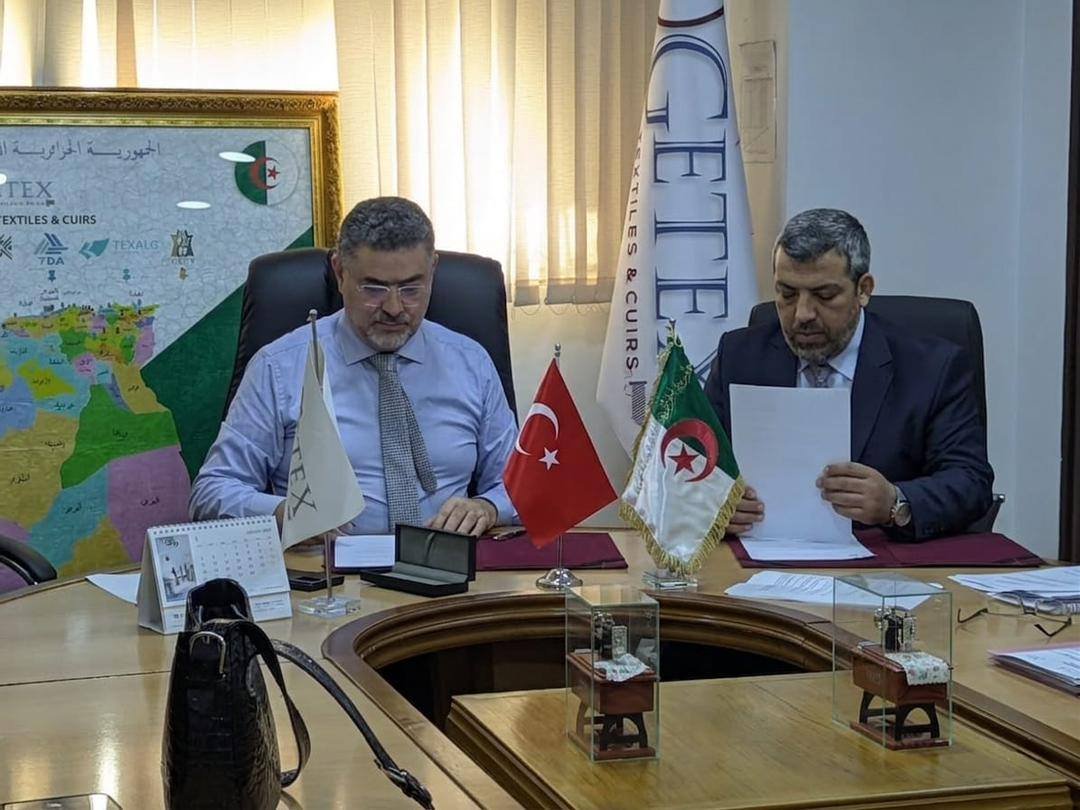
Image: Algerie Eco
Takeaway
The Getex-Turkish partnership signals a potential shift in Algeria's textile sector, attracting foreign direct investment and potentially reducing reliance on imports. Investors should monitor Getex's financial performance and the Meskiana plant's production output to gauge the success of this venture. This partnership could serve as a model for revitalizing other struggling state-owned enterprises in Algeria.
Algerian state-owned textile group Getex signed a partnership agreement on May 11, 2026, with unnamed Turkish partners to revitalize the textile factory in Meskiana, Oum El Bouaghi province. The Meskiana factory, which had been idle for several years, recently restarted operations. The agreement aims to modernize the plant and increase its production capacity, although specific investment figures were not disclosed.
Algeria's textile industry has faced significant challenges in recent years, with many state-owned factories struggling to compete with cheaper imports. In 2024, the government launched a program to rehabilitate several textile plants across the country, allocating DZD 27 billion (~$200 million) for modernization efforts. This initiative followed a 2023 report by the Ministry of Industry highlighting that over 60% of state-owned textile factories were operating below 50% capacity. Prior to this, in 2022, Algeria imposed stricter import controls on textiles to protect local producers, a move that was met with mixed reactions from international trade partners.
The Meskiana textile plant, established in the 1980s, specializes in producing cotton fabrics and garments. At its peak in the 1990s, the factory employed over 500 workers and had an annual production capacity of 10 million meters of fabric. However, due to outdated technology and mismanagement, production declined sharply in the 2000s, leading to its eventual closure. Similar textile plants in Algeria, such as those in Chlef and Bejaia, have also undergone modernization efforts, with varying degrees of success. Globally, Turkey is a major player in the textile industry, with exports exceeding $30 billion annually.
The partnership between Getex and Turkish firms is expected to benefit local employment in Oum El Bouaghi and contribute to reducing Algeria's reliance on textile imports. Algerian consumers may see an increase in locally produced, affordable clothing options. However, the success of the venture hinges on the Turkish partners' ability to transfer technology and management expertise effectively. Competing textile manufacturers in countries like China and Bangladesh may face slightly reduced export opportunities to Algeria.
In the next six months, Getex and its Turkish partners are expected to conduct a comprehensive assessment of the Meskiana plant's infrastructure and equipment needs. A detailed investment plan, including specific production targets and job creation estimates, is anticipated by the end of 2026. Potential risks include delays in technology transfer, fluctuations in global cotton prices, and unforeseen regulatory hurdles. The Algerian government's commitment to supporting local manufacturing, as emphasized by President Tebboune, will be crucial for the project's long-term viability.