Oil Prices Surge Above $93 Amid Middle East Tensions, Boosting Algerian Exports
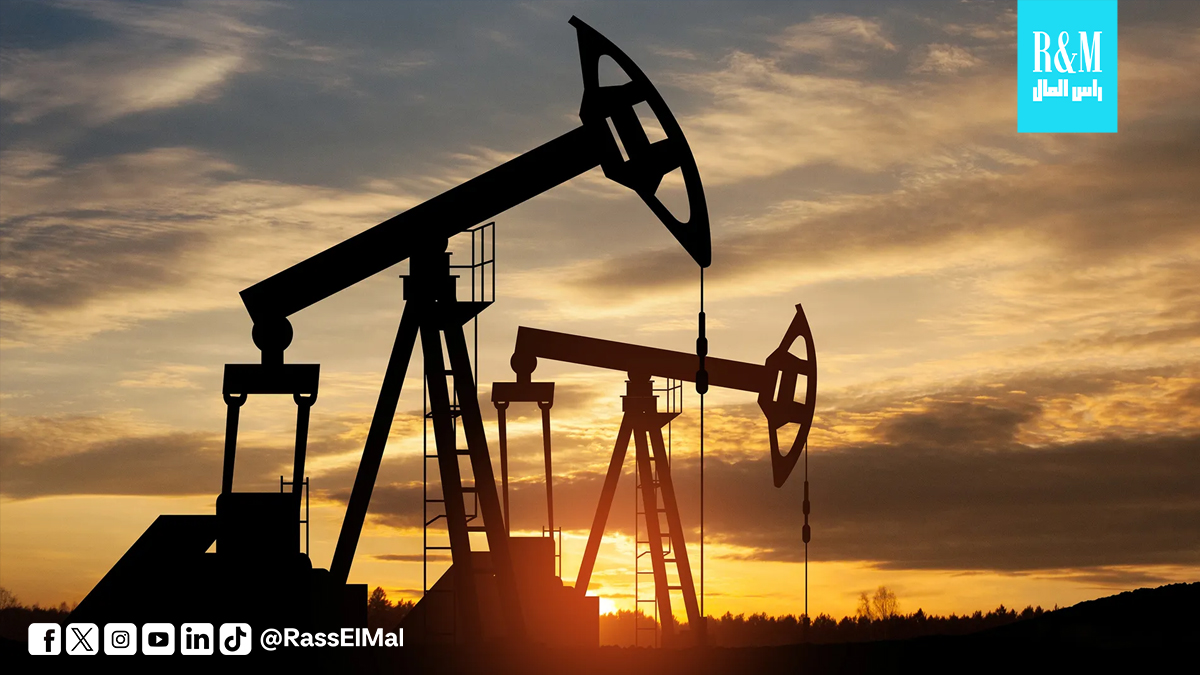
Image: Rass El Mal
Takeaway
The 2.12% increase in Brent crude and 2.48% increase in WTI crude directly benefits Sonatrach, increasing revenues from oil exports. Energy investors should monitor geopolitical developments in the Middle East, as further instability could create opportunities in Algerian oil exploration and production, particularly in the newly offered blocks in Ouargla, Illizi, Touggourt, and El Bayadh.
Global oil prices experienced a significant surge on Monday, June 1, 2026, driven by escalating geopolitical tensions in the Middle East. Brent crude futures rose by $1.93, or 2.12 percent, to reach $93.05 per barrel, while U.S. West Texas Intermediate (WTI) crude futures climbed $2.17, or 2.48 percent, to $89.53 per barrel. The price increases are attributed to heightened military tensions between the United States and Iran, as well as intensified clashes in Lebanon, raising concerns about potential disruptions to global energy supplies.
Geopolitical instability has historically exerted upward pressure on oil prices. In March 2026, Brent futures surged $5.79, or 5.7%, to settle at $108.01 per barrel, while WTI futures gained $4.16, or 4.6% to close at $94.48 per barrel during a single trading session. These movements occurred despite the previous session showing declines of more than 2%, demonstrating the rapid sentiment shifts characterising current market conditions. Since the onset of regional conflicts, Brent futures increased nearly 50%, while WTI rose 41%, representing substantial risk premium accumulation over relatively short timeframes. The International Energy Agency (IEA) stated that the de facto closure of the Strait of Hormuz and damage to regional infrastructure have produced the largest disruption to the global oil market in its history.
Algeria's crude oil production in April 2026 was reported at 982,000 barrels per day, an increase from 973,000 barrels per day in March 2026. In May 2026, seven OPEC+ countries, including Algeria, agreed to a collective oil production increase of 188,000 barrels per day for June. Algeria's share of this increase is 6,000 barrels per day. The country also launched its 2026 licensing round for oil and gas projects, offering seven exploration blocks in Ouargla, Illizi, Touggourt, and El Bayadh, seeking to attract foreign investment.
The rise in oil prices benefits Algeria, a major oil producer, by increasing its export revenues. However, sustained high prices could negatively impact energy-importing economies in Africa and Asia, potentially leading to higher inflation and tighter financial conditions. Goldman Sachs Research estimates that a full one-month closure of the Strait of Hormuz could add anywhere from $10 to $15 per barrel to oil prices, even with offsets like spare pipeline capacity and strategic petroleum reserve releases.
Market participants will closely monitor developments in the Middle East, as further escalation could lead to additional supply disruptions and price volatility. The technical phase of Algeria's bidding process for new oil and gas exploration blocks will begin on June 1, with bids due by November 26 and contracts scheduled to be signed by January 31, 2027. These contracts with Sonatrach will be either production-sharing agreements or participation agreements, depending on the block.