Oran Desalination Plant to Halt Operations for Maintenance Until June 8
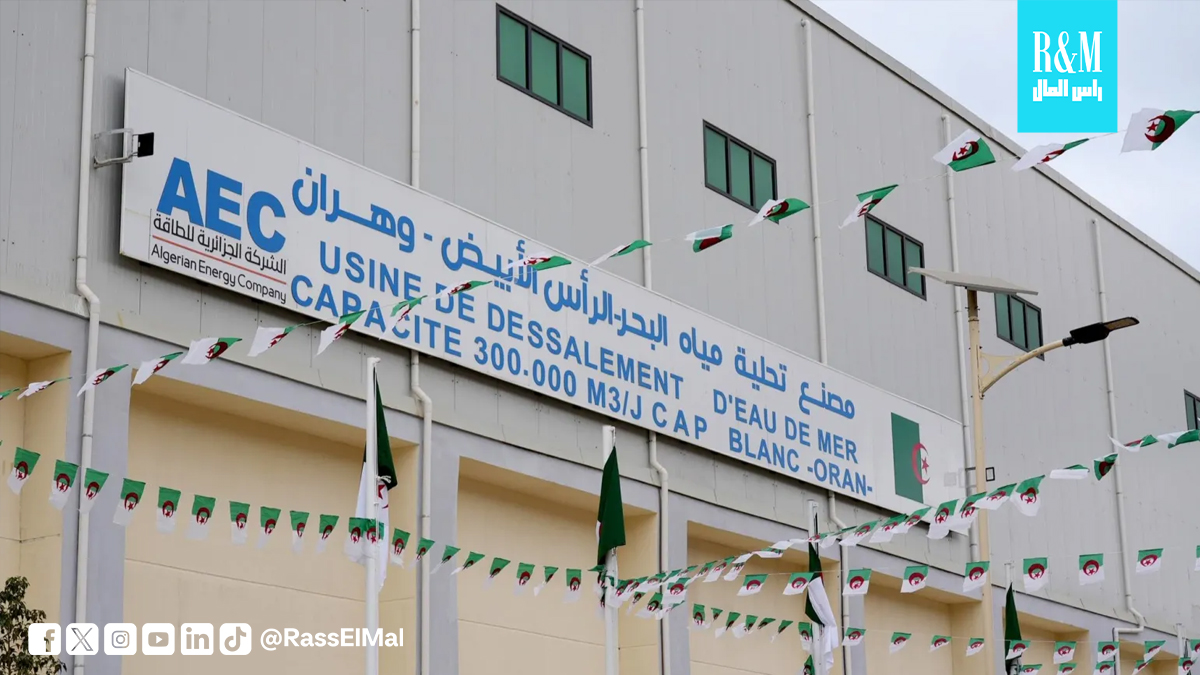
Image: Rass El Mal
Takeaway
The temporary shutdown of the Oran desalination plant highlights the critical importance of maintenance and reliability in Algeria's growing desalination sector. Investors should monitor the performance of Sonatrach's desalination subsidiaries and consider opportunities in providing maintenance services and advanced desalination technologies. The Algerian government's commitment to expanding desalination capacity presents long-term opportunities for companies specializing in water treatment and infrastructure development.
The Algerian Water Desalination Company, a subsidiary of Sonatrach, announced a temporary shutdown of the Ras El Abiad seawater desalination plant in Oran between June 1 and June 8, 2026. The shutdown is part of a scheduled maintenance program aimed at ensuring the continued performance and reliability of the water facility. The Ras El Abiad plant, located in the wilaya of Oran, has a production capacity of 300,000 cubic meters per day and supplies drinking water to approximately three million citizens.
Algeria has been aggressively pursuing desalination to combat water scarcity, with a goal to increase national desalinated seawater production to 5.6 million cubic meters per day by 2030. As of late 2024, Algeria was already producing around 3.7 million cubic meters of desalinated water daily. The country has invested significantly in water infrastructure in recent years, with $2.1 billion already spent and an additional $2.4 billion planned. By the end of 2024, Algeria had 19 operational seawater desalination plants, collectively producing 2.11 million cubic meters of water per day.
The Ras El Abiad plant utilizes reverse osmosis technology. Algeria aims to source 60% of its drinking water from seawater desalination by the end of the decade, up from 42% currently. The country has a network of 21 desalination plants with a combined daily production capacity of 2.6 million cubic meters. In September 2024, Algeria ramped up its desalination capacity with the development of a new 300,000 cubic meters per day desalination plant in Oran, featuring a 50-kilometer canal system to transport water to various areas.
The temporary shutdown may cause short-term disruptions to the water supply in some districts of Oran. However, Algeria is undertaking a $1 billion project to build desalination plants in Tlemcen, Mostaganem, and Chlef, which are expected to provide 900,000 cubic meters of fresh water per day. Increased demand for desalination services may also create opportunities for international technology providers. The five desalination plants built within the framework of the presidential emergency plan were built with 100% Algerian skills, saving the country nearly a billion dollars.
Looking ahead, five new dams are set to enter service in 2026, increasing the total number of dams nationwide to 86. These dams are located in the provinces of Souk Ahras, Khenchela, Tizi Ouzou, El Tarf, and Annaba. Algeria's water security strategy also includes wastewater treatment and unconventional methods to develop water resources, with a goal to achieve water security by 2030. The country is also preparing for the Eid al-Adha holiday, implementing a national emergency plan to ensure water supply stability during the period.