Oran Desalination Plant to Temporarily Halt Operations for Maintenance
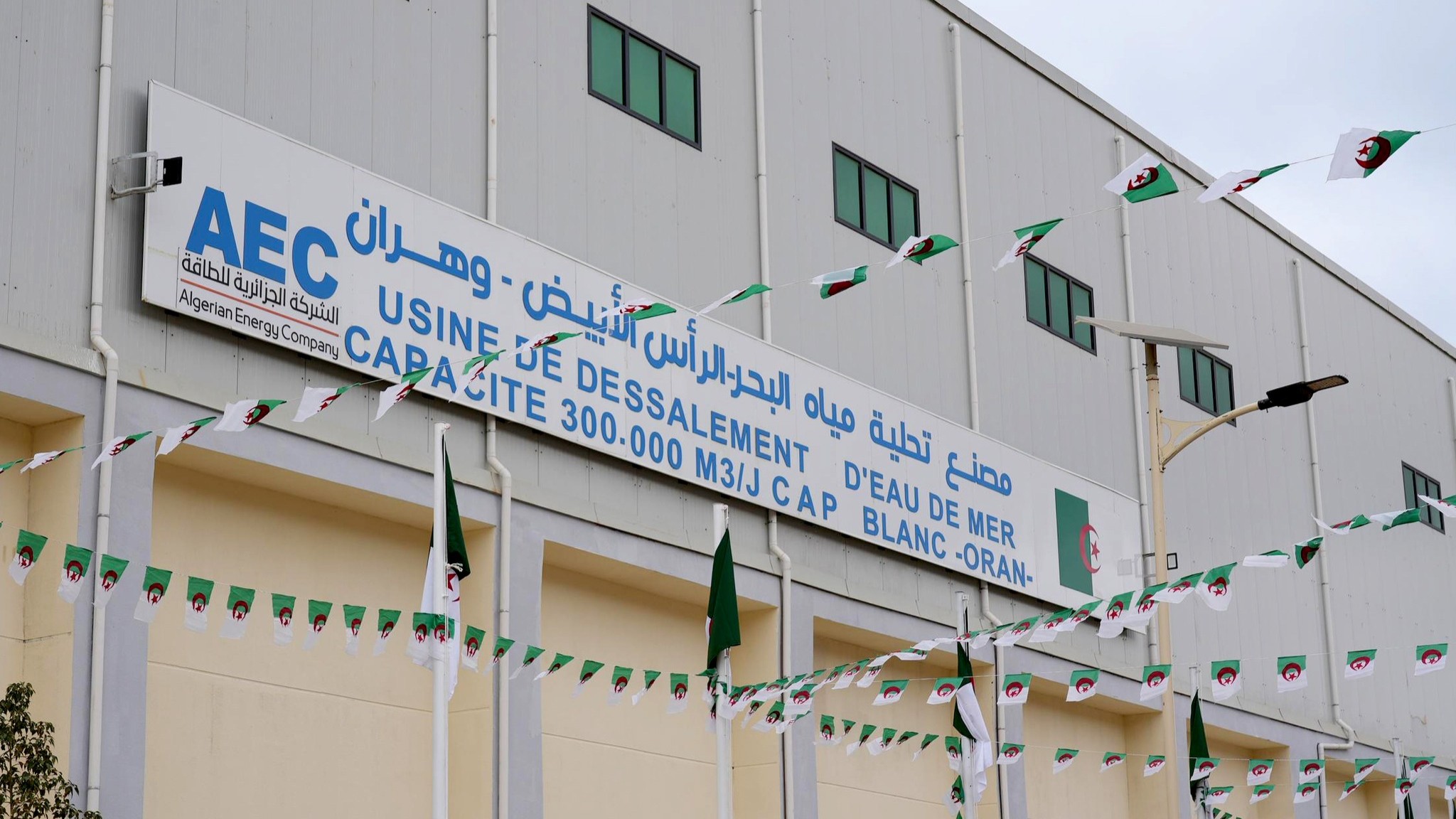
Image: Echorouk
Takeaway
The temporary shutdown of the Oran desalination plant highlights the critical importance of maintenance and reliability in Algeria's growing desalination sector. Companies specializing in desalination technology and maintenance services should monitor these developments, as the country's ambitious expansion plans will create ongoing opportunities for equipment upgrades and service contracts. Investors should also consider the long-term implications of Algeria's water security strategy, as desalination becomes an increasingly vital component of the country's infrastructure.
The Algerian Water Desalination Company, a subsidiary of Sonatrach, announced a temporary shutdown of the Ras El Abiad seawater desalination plant in Oran from June 1st to June 8th, 2026. This interruption is part of a scheduled maintenance program aimed at ensuring the optimal performance of the plant's equipment and facilities. The company stated that this routine maintenance is crucial for maintaining operational readiness and guaranteeing continuous production.
Algeria has significantly expanded its desalination capacity in recent years to combat water scarcity. By the end of 2025, the country had increased its desalinated water production to approximately 3.7 million cubic meters per day, covering about 42% of the nation's potable water needs for an estimated population of 47 million. This is a substantial increase from the beginning of the decade, when approximately 2.1 to 2.2 million cubic meters of desalinated water were produced daily, meeting nearly 17% of the country's needs. The government aims to source 60% of its drinking water from seawater desalination by the end of the decade.
The Ras El Abiad plant in Oran has a production capacity of 300,000 cubic meters per day and supplies drinking water to three million citizens. Located approximately 20 kilometers west of Oran, the Cap-Blanc station spans 15 hectares and comprises 12 industrial units. The plant is part of a larger national program to address Algeria's water security challenges, with the goal of increasing desalinated water production to 5.6 million cubic meters per day by 2030. In February 2025, Sonatrach announced the successful first production of desalinated water from the reverse osmosis unit at the plant.
The temporary shutdown may cause short-term disruptions in water supply to Oran and surrounding areas. However, the maintenance is intended to ensure the long-term reliability of the plant, benefiting residents and industries that rely on its output. The Algerian Desalination Company, under the supervision of Sonatrach, is responsible for overseeing the maintenance work. Increased freshwater output from desalination supports strategic sectors such as agriculture and strengthens national food security.
Looking ahead, Algeria plans to continue expanding its desalination capacity with new plants in Tlemcen, Chlef, and Mostaganem, each with a daily output of 300,000 cubic meters. These projects are part of a national program to boost desalinated water production to 5.6 million cubic meters per day by 2030. The country is fast-tracking a $1 billion (~DZD 135 billion) project to build desalination plants in drought-prone areas to secure water supplies for agriculture.