Algeria Tightens Import Rules, Demands Transparency in Distribution Networks
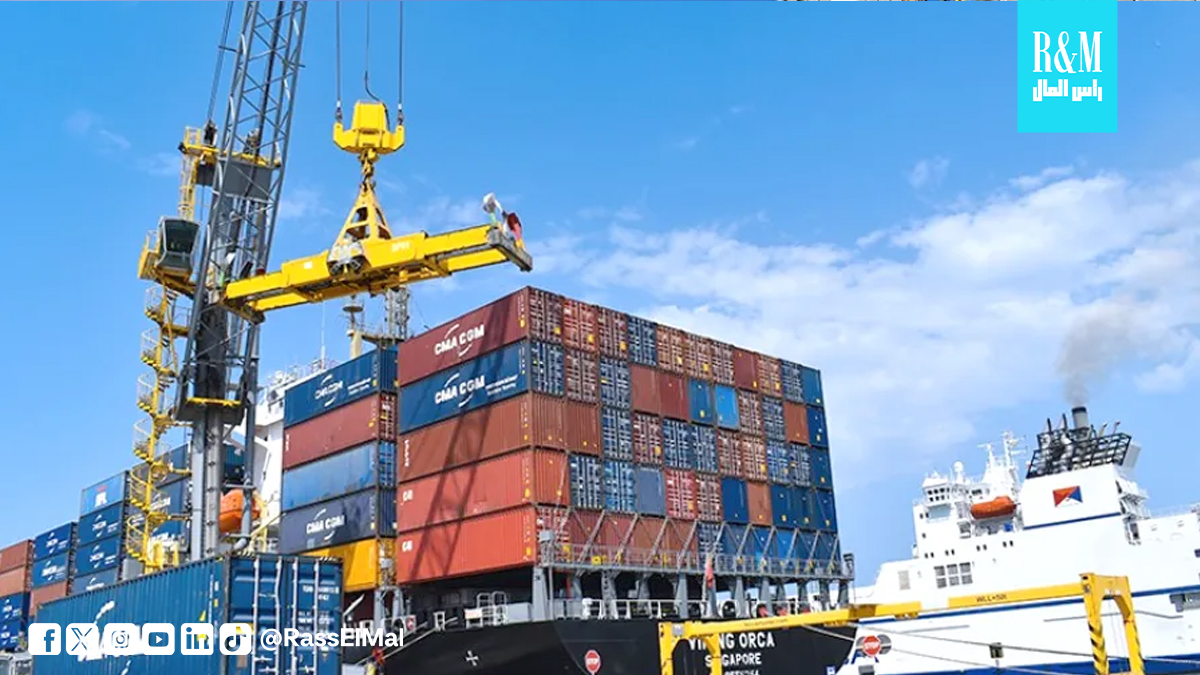
Image: Rass El Mal
Takeaway
The increased transparency requirements for Algerian importers will raise compliance costs and create opportunities for firms specializing in supply chain due diligence and regulatory navigation. International investors should assess the risk profiles of their Algerian partners and portfolio companies, focusing on their ability to meet the new disclosure demands. Companies like Bureau Veritas or SGS may see increased demand for their auditing and certification services.
Algeria is increasing scrutiny of import activities, particularly those involving goods intended for resale, by requiring importers to disclose their distribution networks and client lists before completing bank domiciliation. This measure aims to enhance transparency and track the flow of goods within the Algerian market. Trade directorates across various wilayas (provinces) are instructing importers who have already had their provisional import programs approved (PPI) to provide details of their distribution channels before any banking transactions can be finalized.
In 2018, Algeria introduced the defence additional protection tax (DAPS) for imported products, granting the Ministry of eCommerce authority to levy additional tariffs ranging from 30% to 200% annually, with the aim of cutting over-dependence on imports and promoting local production. Since October 4, 2021, a temporary additional defence tax has been imposed on 992 imported products. The government has also implemented policies to enhance export diversification, aiming to reach $29 billion in non-hydrocarbon exports by 2030.
To streamline import management, the Algerian Ministry of Foreign Trade and Export Promotion issued a document on July 10, 2025, mandating businesses to submit a program of expected import of goods for the last six months of 2025. The process involves downloading a declaration form from the ministry's website, completing it, obtaining visa confirmation from the supervising ministry corresponding to the enterprise's sector of activity, and awaiting a response within seven days. Importers were also required to submit a list of documents to the ministry before July 31, 2025, including the fiscal year 2024 tax settlement report, customs declarations, monthly revenue declarations, a list of customers, and utility bills.
These tightened import controls could disproportionately affect smaller import businesses that lack established distribution networks or the resources to navigate the increased bureaucratic hurdles. Conversely, larger companies with existing infrastructure and compliance departments may gain a competitive advantage. The new regulations may also lead to increased demand for specialized compliance services, benefiting firms that offer expertise in Algerian trade law and regulatory requirements, building on the trend of tightened AML rules for accounting and auditing professionals.
Looking ahead, the effectiveness of these measures in curbing over-reliance on imports and promoting domestic production will likely be assessed in the coming months. Key indicators to watch include the volume of imports across various sectors, the growth rate of domestic industries, and the level of compliance among importers. Any adjustments to the import regulations or further policy announcements from the Ministry of Foreign Trade and Export Promotion could signal shifts in Algeria's trade strategy.