Algeria Enters Gigawatt Club with Renewable Energy Production Milestone
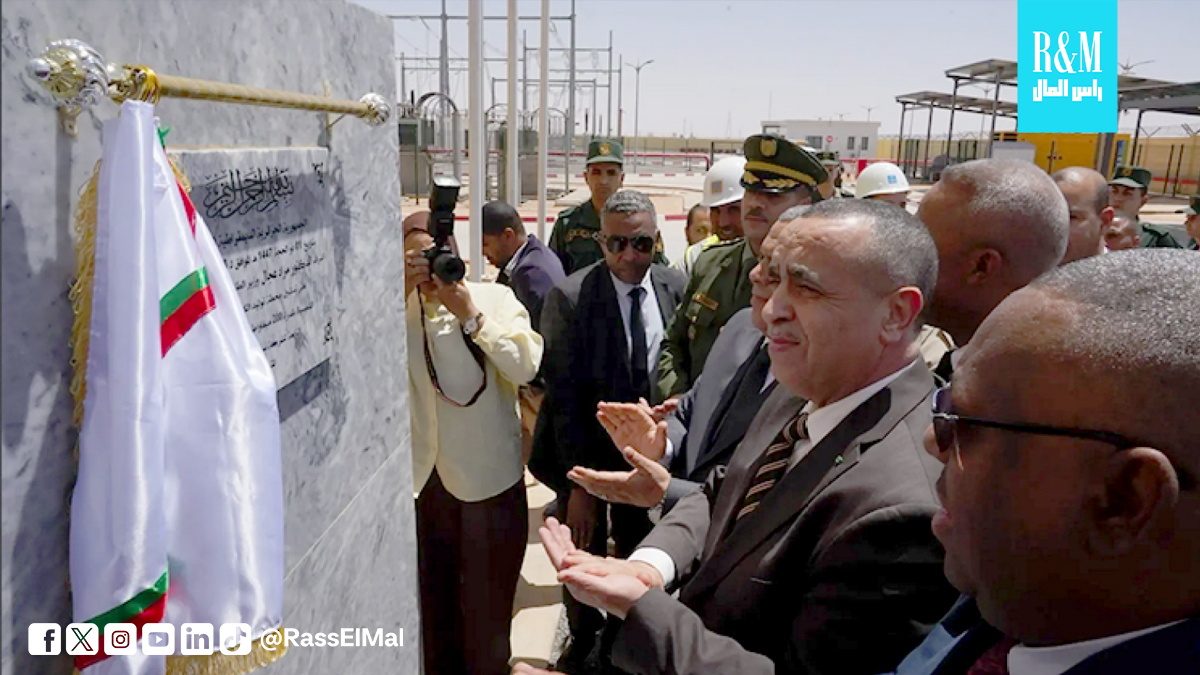
Image: Rass El Mal
Takeaway
The Gigawatt milestone in Algerian renewable energy production signals a growing market for solar technology providers and project developers. International firms should monitor upcoming tenders and policy changes related to renewable energy investments. The shift towards renewables may also impact Sonatrach's long-term strategy and its role in the energy transition.
Algeria has officially entered the "Gigawatt Club" in the field of renewable energies, surpassing 1,000 megawatts of electricity production from solar energy. This milestone reflects the acceleration of the energy transition and the strengthening of the national energy security strategy. The official inauguration of the solar power plants in El M'Ghair and Biskra, with a total capacity exceeding 1,000 MW, marks this achievement. Boukhalfa Yaici, Director General of the Algerian Green Energy Group, confirmed this significant step.
Algeria has been steadily increasing its focus on renewable energy in recent years. In 2020, the country announced plans to generate 4,000 MW of solar power by 2024, with a long-term goal of 15,000 MW by 2035. This initiative involved attracting both domestic and international investment in solar projects across the country. The government has also implemented policies to encourage private sector participation and streamline the approval process for renewable energy projects. These efforts have laid the groundwork for the recent surge in solar energy production.
Algeria's renewable energy strategy encompasses various technologies, including solar photovoltaic (PV), concentrated solar power (CSP), and wind energy. The country possesses abundant solar resources, particularly in the Sahara Desert, making solar PV the most promising option. The deployment of solar PV systems is being carried out through a combination of large-scale utility projects and distributed generation initiatives. The government is also exploring the potential of energy storage technologies to enhance the reliability and stability of the grid.
The increase in renewable energy production is expected to benefit several sectors in Algeria. Local manufacturing of solar panels and related equipment could receive a boost, creating new jobs and reducing reliance on imports. The construction sector will also benefit from the development of new solar power plants and associated infrastructure. Furthermore, the availability of clean and affordable electricity will enhance the competitiveness of Algerian industries and attract foreign investment. However, traditional energy companies may face increased competition from renewable energy sources.
Looking ahead, Algeria is expected to continue its efforts to expand renewable energy capacity and diversify its energy mix. The government is planning to launch new tenders for solar and wind energy projects in the coming years. The successful implementation of these projects will depend on factors such as financing availability, regulatory clarity, and grid infrastructure development. The next major milestone to watch for is the completion of the remaining phases of the 4,000 MW solar program, which is expected to further boost Algeria's renewable energy capacity by the end of 2027.